
Cast vs Forged Wheels: What’s the Difference and Which Should You Buy?
TL;DR
Cast wheels are made by pouring molten aluminium into a mould, making them affordable and available in a huge range of designs. Forged wheels are machined from a single billet of aluminium under extreme pressure, resulting in a lighter, stronger wheel at a higher price. For most street-driven cars, a quality cast wheel delivers excellent value — but if you demand maximum performance and weight savings, forged is the way to go.
In This Guide
When shopping for aftermarket alloy wheels, one of the first decisions you’ll face is cast vs forged wheels. These two manufacturing methods produce wheels that look similar on the outside but differ significantly in weight, strength, and cost. Understanding how each type is made — and where each excels — helps you choose the right wheel for your vehicle, your driving style, and your budget. Below, we break down everything you need to know so you can make an informed decision when upgrading your wheels.
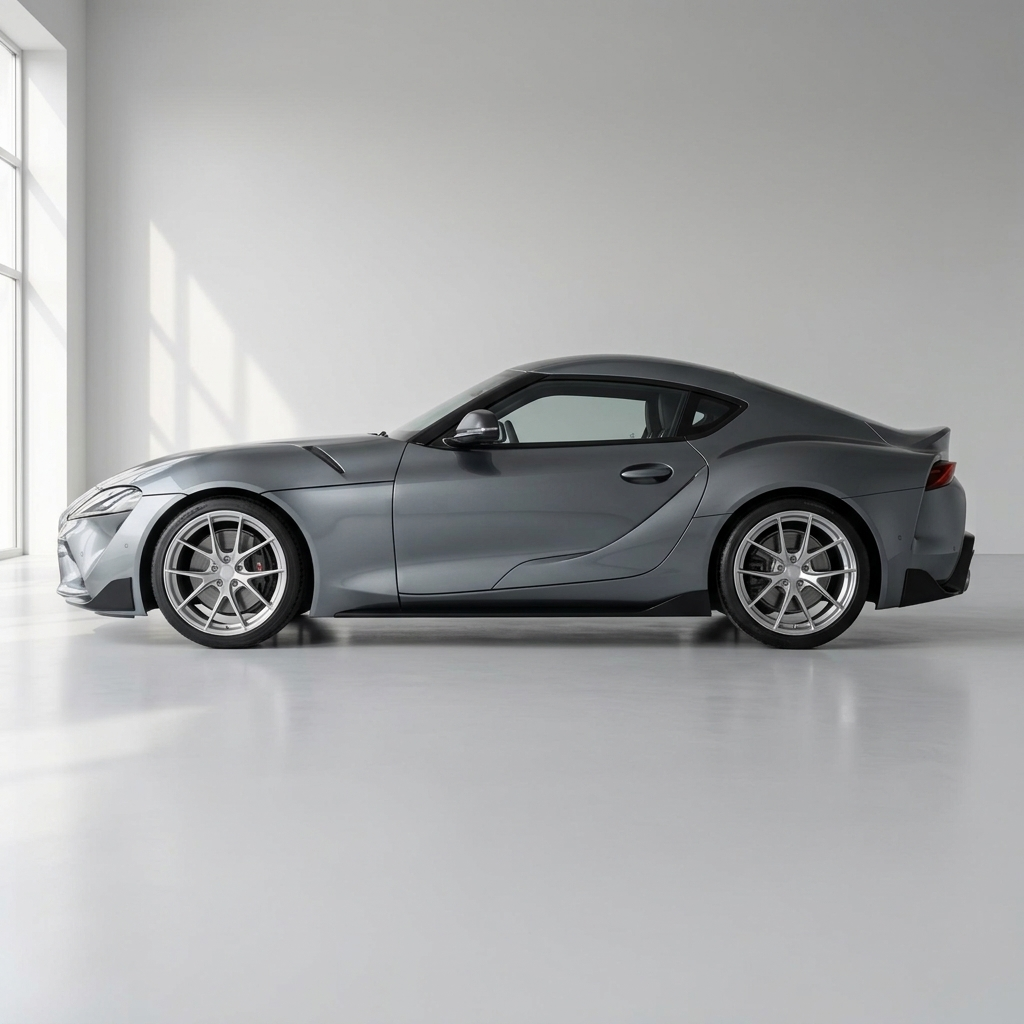
What Are Cast and Forged Wheels?
Cast and forged wheels are both made from aluminium alloy, but the manufacturing process is fundamentally different. A cast wheel is formed by pouring liquid aluminium into a mould and allowing it to cool. A forged wheel is created by compressing a solid billet of aluminium under thousands of tonnes of pressure, then machining it into its final shape. According to SAE International standard J2530, aftermarket wheels must meet rigorous impact and fatigue testing regardless of construction method — but the way the metal is shaped directly affects its grain structure and mechanical properties.
The grain structure is key. When aluminium is cast, the metal cools relatively quickly and the grain pattern is somewhat random, which can leave microscopic porosity (tiny air pockets). When aluminium is forged, the intense pressure aligns the grain structure in a consistent direction, eliminating porosity and producing a denser, stronger material. This is why forged wheels can be made thinner and lighter while maintaining — or exceeding — the strength of heavier cast wheels.
How Cast Wheels Are Made
Casting is the most common and cost-effective method for producing aftermarket alloy wheels. Molten aluminium alloy (typically A356 or similar) is poured or injected into a precision mould, then cooled and heat-treated to achieve the desired mechanical properties. There are two primary casting techniques used in wheel manufacturing:
Gravity Casting
In gravity casting, molten aluminium is poured into the mould and allowed to fill under the force of gravity alone. This is the simplest and most affordable method. It produces a solid, reliable wheel suitable for daily driving. The trade-off is that gravity-cast wheels tend to be slightly heavier because the manufacturer must use thicker cross-sections to compensate for any inconsistencies in the grain structure.
Low-Pressure Casting
Low-pressure die casting (LPDC) uses controlled air pressure to push molten aluminium upward into the mould cavity. This produces a more uniform fill, fewer air pockets, and a tighter grain structure than gravity casting. The result is a wheel that’s lighter and stronger than its gravity-cast equivalent. Most quality aftermarket cast wheels, including Kaizen’s cast wheel range, use low-pressure casting for this reason.
How Forged Wheels Are Made
Forged wheels start life as a solid cylinder (billet) of aluminium alloy, typically 6061-T6 grade. This billet is heated and then subjected to enormous compressive force — often 8,000 to 10,000 tonnes — using a forging press. The pressure reshapes the billet into a rough wheel form while aligning the aluminium’s grain structure for maximum density and strength. According to the Aluminum Association, forged aluminium can achieve tensile strengths 20–30% higher than cast equivalents of the same alloy family.
After forging, the wheel blank is precision-machined on CNC lathes and mills to achieve the final spoke design, barrel profile, and bolt pattern. This machining process allows extremely tight tolerances, which is why forged wheels can feature intricate spoke patterns while remaining very light. The entire process is more time-intensive and material-intensive (significant aluminium is cut away during machining), which is the primary reason forged wheels cost more.
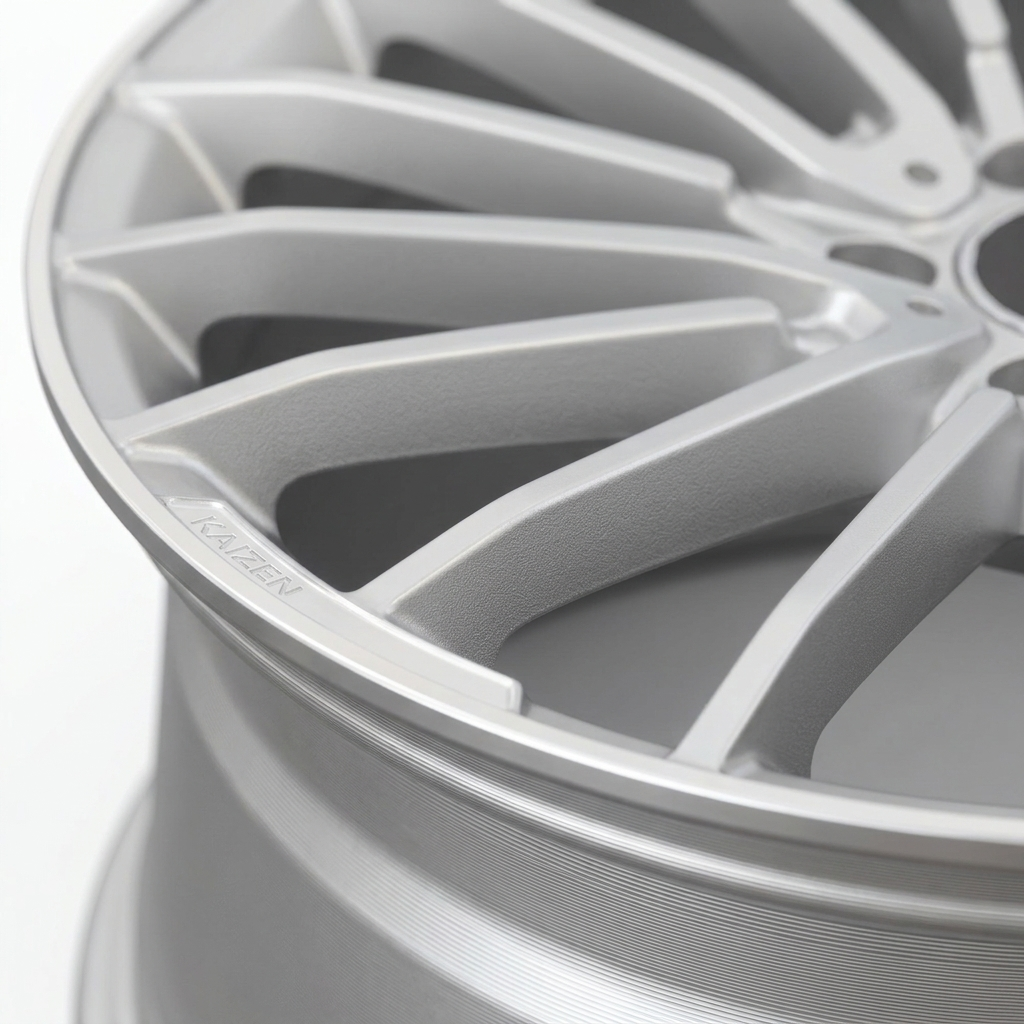
Cast vs Forged Wheels: Key Differences
Here is a direct comparison of cast vs forged wheels across the factors that matter most when choosing aftermarket alloy wheels. Each factor is rated to help you quickly understand where each construction type excels.
| Factor | Cast Wheels | Forged Wheels |
|---|---|---|
| Weight | Heavier (thicker cross-sections needed) | 15–25% lighter than equivalent cast |
| Strength | Good — meets all safety standards | Superior — denser grain, higher tensile strength |
| Impact Resistance | May crack under severe impact | More likely to bend than shatter |
| Price | $200–$500 per wheel (aftermarket) | $600–$2,000+ per wheel |
| Design Variety | Huge range of designs available | Excellent variety, intricate patterns possible |
| Best For | Daily driving, street styling, budget builds | Track, motorsport, weight-sensitive builds |
Weight and Performance
Wheel weight directly affects acceleration, braking, and handling. Because forged wheels are denser, they can use thinner spokes and barrel walls while maintaining structural integrity. A forged 18-inch wheel might weigh 8–9 kg, while a comparable cast wheel could weigh 10–12 kg. That 2–3 kg saving per corner adds up to 8–12 kg of unsprung weight reduction across the full set. As a general rule, reducing unsprung mass by 1 kg has a similar effect on handling as reducing sprung mass (body weight) by roughly 4–5 kg. For detailed guidance on how wheel size affects your car’s performance, see our dedicated guide.
Strength and Durability
Both cast and forged wheels must pass SAE J2530 impact and fatigue testing to be sold legally. However, forged wheels have a significant advantage in real-world durability. The aligned grain structure means a forged wheel is more likely to deform under extreme impact rather than crack or shatter. Cast wheels, particularly gravity-cast ones, can develop cracks from pothole strikes or kerb impacts. In Australia, where roads range from smooth highways to rough outback tracks, this resilience matters — especially for 4WD and touring setups where impacts are more common.
Cost Considerations
The forging process requires significantly more expensive equipment, higher-grade aluminium, and more machining time. This is why a set of forged wheels can cost two to four times more than an equivalent cast set. For the average enthusiast building a street car, the cost difference may not justify the performance gain. For competitive track cars, time attack builds, or weight-critical motorsport applications, the investment in forged wheels pays dividends.
What About Flow Forged Wheels?
Flow forging (also called flow forming or spin forging) is a hybrid manufacturing process that bridges the gap between cast and fully forged wheels. The wheel face is initially cast using conventional methods, then the barrel is heated and spun under high pressure on a forming mandrel. This stretches and compresses the barrel material, partially aligning the grain structure in the barrel section.
The result is a wheel with a cast centre and a barrel that approaches forged-level strength and weight savings. Flow forged wheels typically weigh 10–15% less than a comparable gravity-cast wheel, placing them between cast and fully forged in terms of both weight and price. They’re an excellent middle-ground option for enthusiasts who want better performance than cast without the full cost of forged. Kaizen offers flow forged options across several designs for buyers seeking that balance.
Which Construction Should You Buy?
The right choice between cast vs forged wheels depends on how you use your vehicle, your performance goals, and your budget. Here’s a practical decision framework:
Choose Cast Wheels If:
- Daily driving is your primary use — a quality low-pressure cast wheel handles everything the street throws at it.
- You want maximum design variety at a reasonable price — casting allows complex designs at lower cost.
- You’re building a show car or stance build — where visual impact matters more than track-day lap times.
- Budget is a factor — the money saved on cast wheels can go toward tyres, suspension, or other upgrades.
Choose Forged Wheels If:
- Track performance and lap times matter — the weight reduction translates directly to faster acceleration and shorter braking distances.
- You drive in harsh conditions — outback touring, gravel roads, or spirited mountain driving where impact resilience is critical.
- You’re building a high-power vehicle — the additional strength handles higher cornering loads and braking forces.
- Long-term value is important — forged wheels last longer under demanding use and hold resale value better.
For many Australian enthusiasts, the smartest approach is to start with quality cast wheels for street duty and invest in forged wheels if and when your build demands it. Understanding wheel hardware and fitment essentials is equally important regardless of which construction you choose.
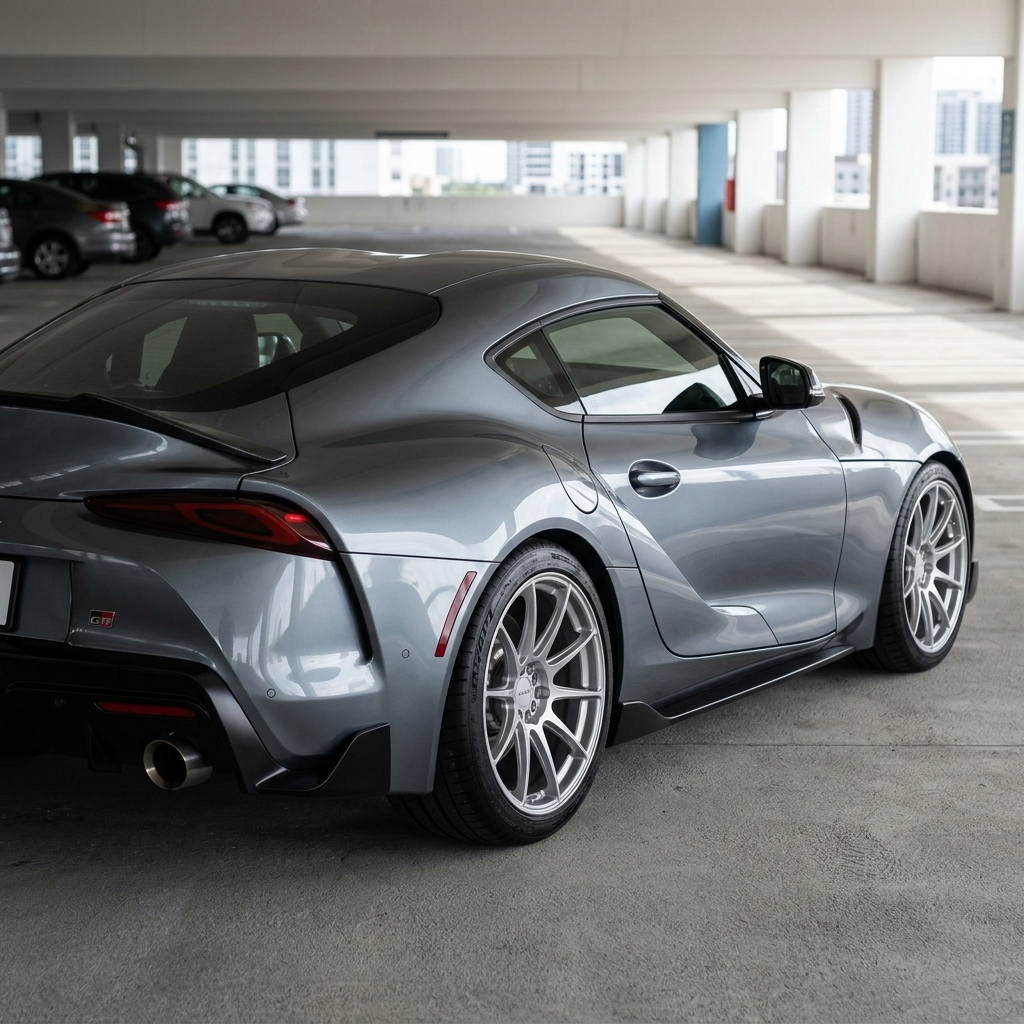
Cast and Forged Wheels at Kaizen
Every Kaizen wheel design — from the aggressive 6-spoke Kaizen 001 to the motorsport-inspired 10-spoke Kaizen 007 — is available in both cast and forged construction. This means you can choose the spoke pattern and finish you love, then select the construction type that matches your driving needs and budget. All Kaizen wheels are built to custom specifications including offset, PCD, and centre bore tailored to your vehicle, and every wheel meets or exceeds international safety standards including SAE J2530 and JWL (Japan Light Alloy Wheel) certification.
Whether you’re fitting a set of cast Kaizen 002s to your daily-driven sedan or speccing forged Kaizen 006s for a dedicated track car, the same design language and build quality applies. You can explore the full range and configure your perfect set using the wheel fitment guide to ensure a perfect match for your vehicle.
Frequently Asked Questions
Are forged wheels worth the extra cost?
For dedicated track cars, motorsport builds, and high-performance vehicles, forged wheels are absolutely worth the investment. The 15–25% weight reduction improves acceleration, braking, and handling. For daily-driven street cars, quality cast wheels deliver excellent performance at a fraction of the cost. The right answer depends on your priorities and how you use your vehicle.
Can you tell the difference between cast and forged wheels by looking at them?
Not easily. Cast and forged wheels can look identical from the outside, especially when they share the same design. The difference is internal — in the aluminium’s grain structure. Some indicators include weight (forged will be noticeably lighter for the same size) and the manufacturer’s markings, which typically include “FORGED” stamped on the rear face of forged wheels.
Do cast wheels crack easily?
Quality cast wheels from reputable manufacturers are tested to SAE J2530 and JWL standards and are perfectly safe for normal driving conditions. However, cast aluminium is more brittle than forged aluminium under extreme impact. Hitting a deep pothole or kerb at speed can crack a cast wheel, whereas a forged wheel is more likely to bend without fracturing. For standard road use in Australia, cast wheels are reliable and durable.
How do flow-formed wheels differ from full-forged ones?
Flow forged wheels use a hybrid process: the face is cast, then the barrel is spun under heat and pressure to partially align the grain structure. Fully forged wheels are machined entirely from a single compressed billet with fully aligned grain throughout. Flow forged wheels are lighter and stronger than standard cast (about 10–15% weight saving) but don’t quite match the strength-to-weight ratio of fully forged wheels. They sit in between on both price and performance.
Are aftermarket wheels safe to use on Australian roads?
Yes, provided they meet recognised safety standards. In Australia, the Department of Infrastructure’s Australian Design Rules (ADRs) set minimum safety requirements for vehicle components. Reputable aftermarket wheel manufacturers test to SAE J2530 and JWL standards, which meet or exceed ADR requirements. Always purchase from established brands and ensure your wheels are correctly fitted with the right offset, PCD, and centre bore for your vehicle.
References & Sources
- SAE International — J2530: Aftermarket Wheel Performance Requirements and Test Procedures
- The Aluminum Association — Aluminium Strength Properties and Forging Advantages
- Australian Government Department of Infrastructure — Vehicle Safety Standards and Australian Design Rules
Last updated: 25 March 2026


