

Best Aftermarket Wheels for Toyota Soarer / Lexus SC: Fitment Guide
title: “Best Aftermarket Wheels for Toyota Soarer / Lexus SC: Fitment Guide”
slug: “best-aftermarket-wheels-for-toyota-soarer-lexus-sc-fitment-guide”
meta_title: “Best Aftermarket Wheels for Toyota Soarer / Lexus SC: Fitment Guide”
meta_description: “A detailed Toyota Soarer and Lexus SC wheel fitment guide covering factory specs, aftermarket wheel sizes, offsets, tyre pairings, brake clearance, suspension, staggered setups, and common mistakes.”
excerpt: “A deep wheel fitment guide for the Toyota Soarer and Lexus SC, including wheel sizes, offsets, tyre pairings, clearance advice, and practical aftermarket setup strategy.”
category: “Fitment Guides”
tags:
– Toyota Soarer
– Lexus SC
– Z30
– wheel fitment
– aftermarket wheels
– offset
– staggered wheels
—
Best Aftermarket Wheels for Toyota Soarer / Lexus SC: Fitment Guide
TL;DR
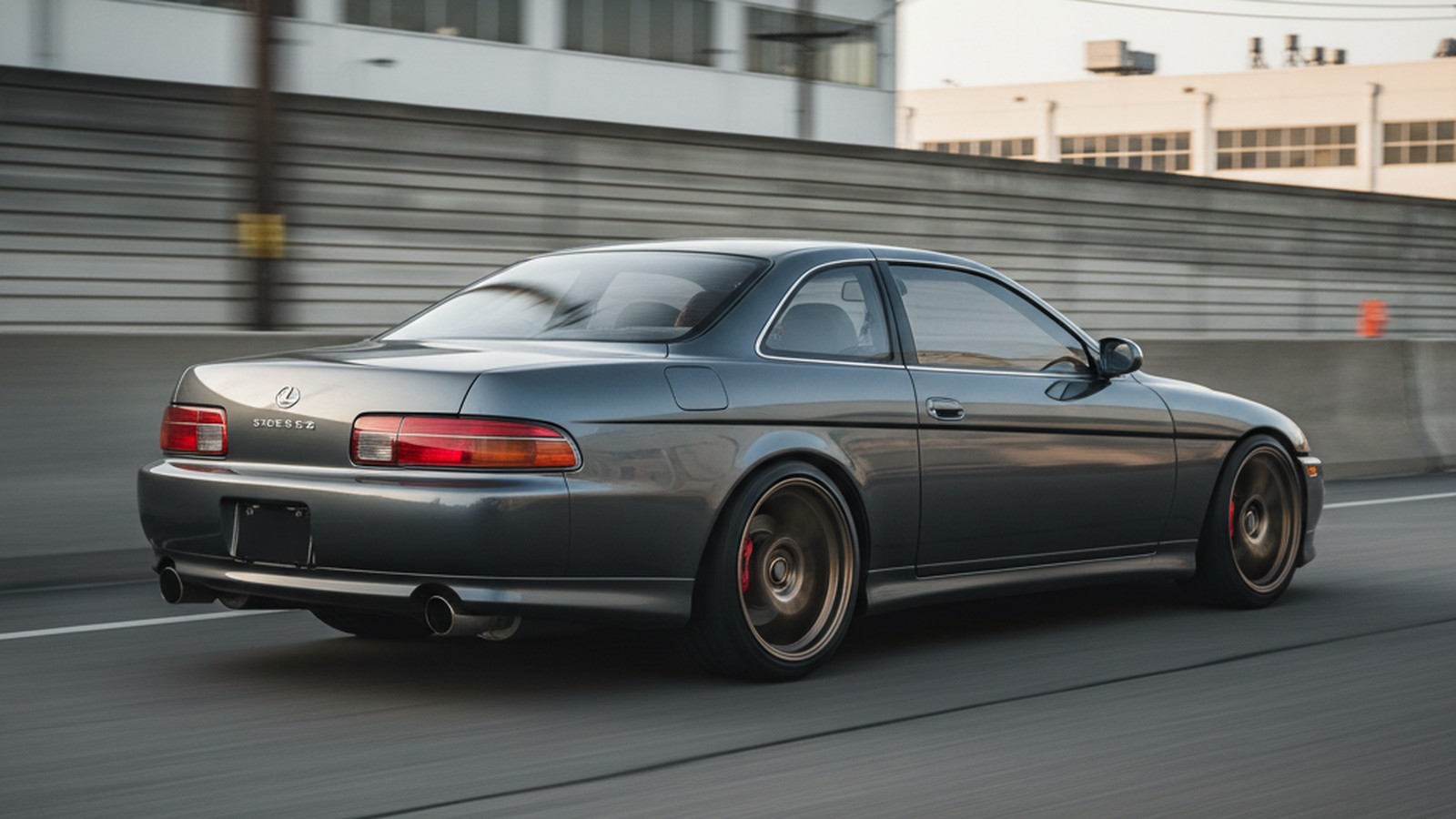
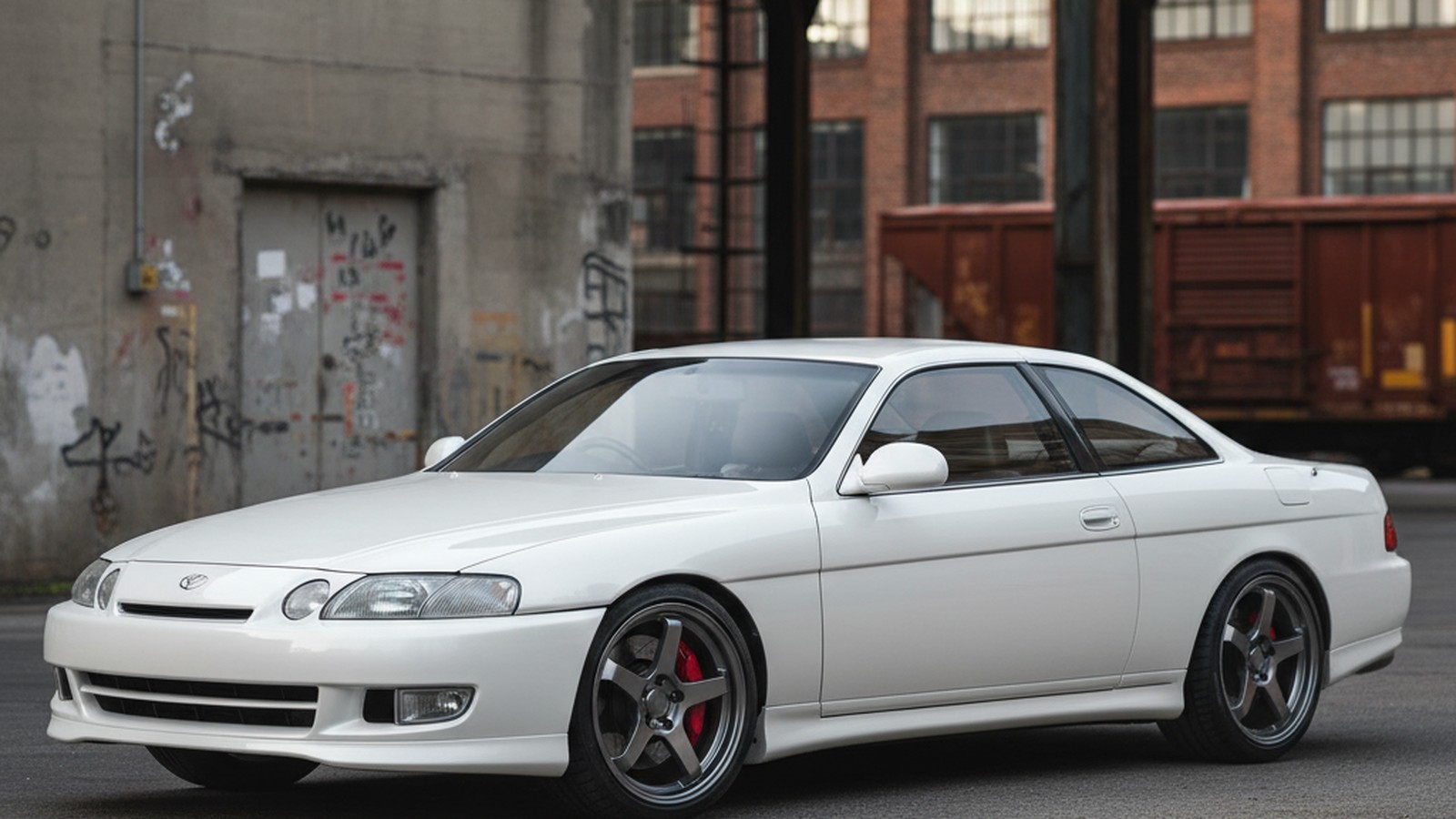
The Toyota Soarer and Lexus SC are excellent aftermarket wheel platforms because they combine rear-wheel-drive proportions, generous arches, and a chassis that can move from refined grand tourer to aggressive street car depending on how the setup is built. Most cars in this family use a 5×114.3 bolt pattern and a 60.1 mm centre bore, and for the majority of owners, 18-inch wheels sit in the sweet spot for real-world use. They preserve enough sidewall to keep the car composed while still giving the long coupe shape the stance it deserves.
If the goal is a more visual or more aggressive build, 19-inch setups also work well, but they narrow the margin for error. Offset, tyre shoulder shape, brake clearance and suspension height start to matter a lot more once you move beyond a conservative OEM-plus approach. Before comparing wheel specs, it helps to understand the fundamentals in Wheel Offset, PCD and Centre Bore Explained.
Table of Contents
- Toyota Soarer / Lexus SC Platform Overview
- Factory Fitment Specs
- Best Wheel Sizes for Street, Touring and Visual Builds
- How Offset Changes Fitment on the Soarer / SC
- Square vs Staggered Setups
- Brake Clearance and Big Brake Considerations
- Suspension, Lowering and Arch Clearance
- Tyre Pairing Guide
- Wheel Construction and Weight
- Common Fitment Mistakes
- Safety and Practical Considerations
- FAQ
- References
Toyota Soarer / Lexus SC Platform Overview
The Toyota Soarer and Lexus SC occupy an interesting place in wheel fitment culture because they bridge two different identities. In standard form, the car is a smooth, refined coupe with a long bonnet, rear-drive layout and strong grand touring character. In modified form, it can lean toward drift, stance, street performance or elegant period-correct touring, and all of those directions put different demands on wheel size, offset and tyre selection.
That range is exactly why fitment needs to be approached carefully. The platform is forgiving enough to accept a broad range of aftermarket wheel sizes, but that does not mean every popular internet fitment is actually good. A spec that looks dramatic in photos may create tramlining, rubbing, poor steering feel or unnecessary compromise in day-to-day driving. A well-judged setup, by contrast, can transform the whole car without making it feel worse to use.
The Soarer / SC chassis responds especially well to improvements in wheel stance and total unsprung weight. The factory fitment can look conservative by modern standards, particularly on cars that still sit at standard ride height. Move to a lighter, better-proportioned wheel with a sensible offset, and the car suddenly looks lower, wider and more resolved even before any suspension changes happen. That is part of the appeal of the platform. The body shape is elegant enough to suit restrained fitment, but the arches have enough room to support something more assertive if the rest of the package is planned properly.
The key is understanding that this is not just a style exercise. A wheel setup influences steering feel, ride quality, scrub radius, tyre response and braking confidence. The best aftermarket fitment for a Soarer or SC is the one that works as a system, not the one that merely wins the most attention in static photos.
Factory Fitment Specs
- Platform: Toyota Soarer / Lexus SC, Z30 generation
- Bolt pattern: 5×114.3
- Centre bore: 60.1 mm
- Factory wheel diameters: commonly 16 or 17 inches depending on variant
- Typical factory widths: usually around 7 to 8 inches
- Typical factory offset zone: moderate positive offsets, usually relatively conservative
- Layout: front-engine, rear-wheel drive
These headline specs are simple, but they only establish physical compatibility at the most basic level. The fact that a wheel is 5×114.3 does not mean it fits properly. Width, offset, brake clearance, centre bore, load suitability and tyre choice all still matter. This is especially true on older performance coupes because many have since been lowered, converted to coilovers, fitted with larger brakes or aligned more aggressively than the original factory settings intended.
The 60.1 mm centre bore is worth paying attention to because many aftermarket wheels are machined with a larger bore to suit multiple models. That is normal, but it means a proper hub-centric ring should be used where needed. Without it, the wheel may not seat and centre as accurately as it should, which can lead to vibration that drivers often misdiagnose as balancing issues.
Factory wheel specs also reflect what the car was designed to do when new. Standard fitment prioritised refinement, stable straight-line behaviour and easy suspension travel. Aftermarket fitment can absolutely sharpen the car and improve its stance, but the best results come from respecting the original balance rather than discarding it completely.
Best Wheel Sizes for Street, Touring and Visual Builds
There is no single best wheel size for every Soarer or SC because the platform is used in very different ways. Some owners want a comfortable GT-style road car. Some want a low, visually aggressive coupe. Others want a more serious rear-drive setup for spirited driving. In practice, most strong builds fall into three main size categories.
17-inch wheels: period-correct and comfort-friendly
- 17×8 works well as an OEM-plus option
- 17×8.5 suits owners who want a little more tyre and a slightly stronger stance
Seventeen-inch wheels make sense if you want the car to stay true to its era while still looking more purposeful than standard. They preserve generous sidewall, help protect ride quality and usually make it easier to avoid harshness or damage on poor surfaces. For a clean street or touring build, 17s still have a lot of merit.
The downside is visual presence. On a lowered Soarer or SC, 17s can sometimes look slightly undersized unless the wheel design is particularly strong or the tyre profile is chosen carefully. That does not make them wrong, but it does mean they work best for owners who prefer an understated, balanced look over outright visual drama.
18-inch wheels: the all-round sweet spot
- 18×8.5 is a strong daily and fast-road choice
- 18×9 suits more assertive street fitment
- 18×9.5 can work on the rear or as part of an aggressive square setup if the rest of the package supports it
For most owners, 18-inch wheels are the best overall answer. They fill the arches properly, give access to a wide range of tyre options and maintain enough sidewall to keep the car feeling coherent rather than brittle. On this platform, 18s strike the best balance between appearance and function.
An 18×8.5 or 18×9 setup usually gives the car exactly what it needs: a stronger stance, better tyre support and a more contemporary look without making the car feel over-wheeled. This is particularly important on the Soarer / SC because the chassis is still a grand tourer at heart. Oversizing the wheel can easily make the car feel visually louder but dynamically less resolved.
19-inch wheels: visual impact with tighter fitment margins
- 19×8.5 front and 19×9.5 rear is a common visual direction
- 19×9 front and 19×10 rear can suit more aggressive builds
Nineteens work well on the Soarer / SC when the rest of the build is aligned with them. Lowered suspension, controlled tyre sizing and a wheel that is not excessively heavy are all important once you step into this diameter. Done well, 19s give the coupe a sharper, more contemporary stance and visually stretch the body in a way that suits its long proportions.
The trade-off is that the setup becomes less forgiving. Ride quality tightens up, offset choice matters more, and tyre selection becomes critical. A heavy cast 19 paired with a poor tyre choice can make the car feel slower to react and less comfortable than a lighter 18-inch package. Bigger is not automatically better here. It is simply a different priority.
How Offset Changes Fitment on the Soarer / SC
If wheel diameter determines the broad direction of the build, offset determines whether the whole thing actually works. The Soarer / SC is one of those platforms where offset shapes both the look and the driving feel. Too conservative and the car can still look tucked and slightly unresolved. Too aggressive and you introduce rubbing, increased steering disturbance, awkward tyre fitment and sometimes a car that feels worse than before.
As a reminder, offset is the distance between the wheel centreline and the mounting face. Higher positive offsets pull the wheel further inward. Lower positive offsets push it further outward. Negative offsets move the wheel face further inward and the lip outward, but on this platform that territory usually belongs to highly specialised or heavily modified builds rather than sensible road fitment.
What makes the Soarer / SC tricky is that width and offset need to be considered together. An 18×9 +38 and an 18×8.5 +38 do not sit the same way. The wider wheel adds material to both inner and outer sides, so copying offset numbers without matching wheel width often leads to confusion.
For street-driven cars, moderate positive offsets are usually the most effective route. On 8.5-inch and 9-inch widths, they tend to create the clean, planted look owners want without forcing extreme tyre stretch or introducing constant clearance issues. Once you start chasing very low offsets simply to gain lip or poke, the car stops being an easy road coupe and starts becoming a compromise project.
This is also where a proper understanding of fitment basics matters. If you need a refresher on how width, PCD, centre bore and offset interact, The Ultimate Aftermarket Wheel Buying Guide is worth reading before buying anything.
Front offset guidance
The front of the Soarer / SC generally rewards restraint. A slightly more aggressive front offset can wake up the stance and improve the visual balance of the car, but pushing too far outward makes the front axle harder to manage over bumps and under steering lock. This becomes especially noticeable on lowered cars or cars with wider front tyres.
A good front setup is usually one that sits decisively in the guard without trying to dominate it. That means the wheel should look intentional from head-on and three-quarter angles, not merely forced outward for effect.
Rear offset guidance
The rear axle gives more visual freedom. The car’s long doors, broad quarter panels and rear-drive layout mean a stronger rear fitment usually looks right. That is one reason staggered setups are so common on this platform. But again, the best result is not the most extreme one. Too much outer poke at the rear can make the car look top-heavy and often introduces compression issues once passengers, luggage or imperfect surfaces enter the picture.
Square vs Staggered Setups
The Soarer / SC is one of those coupes that genuinely suits both square and staggered fitment. The right answer depends on what kind of car you are building.
Square fitment means the same wheel and tyre size at all four corners. It has some very real advantages:
- tyres can usually be rotated front to rear
- the setup is simpler to buy and maintain
- steering feel can become more even if the front tyre is no longer limited by a narrower factory-style bias
- it often suits fast-road and balanced street builds very well
For owners who use the car regularly and want something cohesive rather than theatrical, square fitment is often the smartest choice. An 18×8.5 or 18×9 square setup can make the car feel cleaner and more predictable without sacrificing the rear-drive character.
Staggered fitment uses a wider rear wheel and tyre than the front. That suits the Soarer / SC visually and dynamically for several reasons:
- the long-body coupe proportions naturally support a stronger rear stance
- the rear-drive layout benefits from more tyre under the driven axle
- the car tends to look more planted and more premium with a mild stagger
- it often aligns well with 19-inch visual builds
Where staggered fitment goes wrong is when it is treated as an excuse for excess. A mild, well-judged rear bias can improve both grip and appearance. A dramatic mismatch between front and rear often just creates under-tyred steering and unnecessary complication.
If you want a broader explanation of when staggered fitment helps and when it is mainly aesthetic, Kaizen’s staggered wheel setup guide is a useful companion read.
Brake Clearance and Big Brake Considerations
Brake clearance is often overlooked on older coupes because many people assume the factory brake package is modest enough that almost anything will fit. That assumption only holds until the car has upgraded calipers, larger rotors, different carriers or aftermarket big brake hardware. Once those changes happen, wheel choice gets much more sensitive.
The important thing to understand is that diameter alone does not guarantee clearance. Two 18-inch wheels can behave completely differently around the same caliper because spoke shape, pad thickness behind the face and inner barrel contour vary from one design to another. One wheel might clear comfortably while another touches the caliper face even though the headline size looks identical.
There are three main areas to confirm:
- Radial clearance: room between the caliper and the barrel diameter
- Axial clearance: room between the caliper face and the back of the spokes
- Hub seating: correct centre bore support and clean mounting at the hub face
Some owners solve spoke interference with spacers, and sometimes that is a legitimate solution. But a spacer changes the effective offset and pushes the tyre further outward, which can solve one problem while creating another. If a wheel needs substantial spacer help to clear the brakes, it is worth asking whether it was the right wheel choice to begin with.
For cars with standard brakes, fitment is generally less demanding, but it is still wise to confirm caliper clearance rather than assume. Even mild variations in wheel design can change how close everything sits.
Suspension, Lowering and Arch Clearance
Suspension height is one of the biggest variables in Soarer / SC fitment because so many of these cars are lowered. A setup that works cleanly at standard ride height can start rubbing once the car sits lower and the tyre moves through a tighter arc under compression. The reverse is also true: a wheel spec that looks underwhelming on a standard-height car may suddenly look perfect once the ride height is reduced sensibly.
Lowering usually improves the visual relationship between the wheel and the body, but it also shrinks the usable fitment window. Front lock clearance, inner liner contact, rear arch compression and tyre shoulder shape all become more important. That is why copying a wheel spec from another Soarer or SC without matching the tyre model, ride height and alignment is risky. The numbers might look the same on paper while the real-world result is completely different.
At the front, extra width and aggressive offset can lead to rubbing on liners or arch edges under steering lock. At the rear, the problem is usually compression rather than steering. A setup that clears fine when the car is parked may touch once the suspension loads up with passengers, fuel or uneven road surfaces.
Coilovers also complicate inner clearance. Some aftermarket suspension packages change the relationship between the tyre, spring perch and strut body, which means a wheel that fit on standard suspension may not fit as neatly afterward. That is another reason not to treat fitment as a list of disconnected numbers. Wheel size, tyre size, ride height and suspension hardware all talk to each other.
Alignment can help fine-tune a build, especially where a little extra negative camber is needed to clean up front clearance or sharpen response. But alignment should refine a sensible setup, not rescue an excessive one. If the only way a wheel package works is with large compromises in alignment, it usually means the original fitment choice was too aggressive.
Tyre Pairing Guide
Tyres decide how polished the finished wheel package feels. On the Soarer / SC, they matter just as much as the wheel because the car is sensitive to sidewall behaviour and overall rolling feel. A tyre that is too stretched can make the car look harder than it drives. A tyre that is too ballooned can make the steering feel lazy and create avoidable clearance problems.
For 17-inch setups, tyre pairings usually lean toward comfort and period-correct balance. For 18-inch builds, a moderate performance tyre often makes the most sense. For 19-inch builds, it is especially important to keep the rolling diameter close to sensible limits so the car still feels natural and does not become awkward over imperfect surfaces.
Good tyre pairing is about proportion rather than chasing the largest section width possible. Many owners make the mistake of assuming that wider always equals better. In reality, tyre brand, shoulder design, wheel width and intended use matter far more. One manufacturer’s 255 can be noticeably broader and squarer than another’s, which changes whether the tyre clears the arch or rubs under compression.
For square street setups, the aim is usually consistency and simplicity. For staggered builds, the front and rear should still feel related. A sensible stagger supports the chassis. An oversized rear tyre paired with an under-tyred front simply shifts the compromise elsewhere and can make the steering feel less convincing than it should.
If the car sees regular road use, it is usually better to choose a tyre that sits naturally on the wheel with good support and decent rim protection. Chasing dramatic stretch might create clearance and style, but it usually comes at the cost of composure and everyday usability.
Wheel Construction and Weight
The Soarer / SC is not an ultra-light platform, which is exactly why wheel weight matters. Adding a very heavy wheel can make the car feel more sluggish in direction changes and less disciplined over bumps. Reducing wheel weight, even moderately, can improve how alert the chassis feels without changing the underlying character of the car.
Cast wheels can be perfectly fine for many builds, especially if the car is mostly used on the road and the chosen size is sensible. The key is avoiding overly heavy designs that look good on a stand but blunt the car once fitted.
Flow formed wheels often make the most sense for this platform because they can cut weight compared with basic cast wheels while staying practical for owners who want a real improvement without stepping into a fully premium build.
Forged wheels are the strongest option if low mass, strength and response are priorities. Their benefits show up most clearly when the car already has a thoughtful tyre and suspension setup. On a well-sorted Soarer or SC, lighter forged wheels can make the whole car feel more alert and more expensive in the way it reacts to inputs.
If you want the construction background in more detail, Kaizen’s Cast vs Forged Wheels guide is a useful reference. The short version is simple: the right light wheel usually beats the wrong heavy one, even if the heavy one looks more dramatic.
Common Fitment Mistakes
- Choosing a spec for lip depth alone: deep lips and low offsets can look dramatic, but they often create more compromise than benefit on a road car.
- Ignoring width when comparing offsets: the same offset behaves differently on different wheel widths.
- Assuming every 5×114.3 wheel fits: bolt pattern is only the beginning, not the whole fitment answer.
- Forgetting the 60.1 mm centre bore: larger-bore wheels should use the correct hub-centric rings.
- Using tyre stretch as the main fitment solution: a little stretch can be part of a build, but relying on it to rescue an aggressive wheel spec usually reduces the quality of the result.
- Skipping brake clearance checks: especially important on cars with upgraded brakes.
- Copying another car’s setup exactly: ride height, tyre model, alignment and suspension hardware can all change what works.
- Oversizing the wheel for appearance: 19s can work, but a well-chosen 18 often drives better and still looks right.
The most common bad result is a Soarer or SC that looks dramatic in static shots but feels less settled, less precise and less enjoyable on real roads. Good fitment should improve the whole car, not just its parked stance.
Safety and Practical Considerations
Wheel regulations and practical limits vary depending on where the car is used, so local requirements should always be checked before buying. Even beyond any legal considerations, the safest approach is simple: keep rolling diameter sensible, confirm full suspension and steering clearance, use correct load-rated wheels and tyres, and make sure the wheel is properly centred on the hub.
It is also worth thinking about how the car is actually driven. A Soarer / SC that sees long road trips, uneven surfaces and regular everyday use needs a different setup from a low-mileage weekend build. The best fitment is the one that suits the reality of the car, not just the idea of it.
Frequently Asked Questions
What bolt pattern does the Toyota Soarer / Lexus SC use?
The Toyota Soarer and Lexus SC commonly use a 5×114.3 bolt pattern. That gives access to a broad range of aftermarket wheel options, but offset, width and centre bore still need to be checked carefully.
What is the centre bore on the Toyota Soarer / Lexus SC?
The platform commonly uses a 60.1 mm centre bore. If an aftermarket wheel has a larger centre bore, the correct hub-centric ring should be used to ensure the wheel centres properly on the hub.
What is the best wheel size for a street-driven Soarer or SC?
For most street cars, 18-inch wheels offer the best all-round result. They balance appearance, tyre choice, ride quality and fitment flexibility better than more conservative 17s or more demanding 19s.
Can I run 19-inch wheels on a Toyota Soarer / Lexus SC?
Yes, 19-inch wheels can work very well, especially on lowered or more visual builds. The trade-off is reduced ride compliance and a narrower margin for error with tyre profile, wheel weight and offset.
Is square or staggered fitment better on a Soarer or SC?
Both can work. Square setups are simpler and often better for balanced road driving, while staggered setups usually suit the rear-drive layout and coupe proportions, especially when a stronger rear stance is part of the goal.
Do I need hub-centric rings for aftermarket wheels?
If the wheel centre bore is larger than the factory 60.1 mm hub, yes. Hub-centric rings help centre the wheel accurately and can reduce the chance of vibration.
Do big brake kits affect wheel fitment?
Yes. Big brake kits can dramatically change spoke and barrel clearance requirements. Two wheels with the same basic diameter and width may not both clear the same brake package.
Does lowering the car make wheel fitment harder?
Yes. Lowering reduces suspension travel and makes offset, tyre shoulder shape, front lock clearance and rear compression clearance much more important. A setup that fits at standard height may rub once lowered.
What is the biggest fitment mistake on the Soarer / SC?
The biggest mistake is chasing an aggressive stance without considering how width, offset, tyre size and suspension movement work together. A wheel setup should suit the whole chassis, not just the parked look.
References
- Wheel Offset, PCD and Centre Bore Explained
- The Ultimate Aftermarket Wheel Buying Guide
- Staggered Wheel Setup Explained
- Cast vs Forged Wheels
PHP: 2026-04-20 00:47:49 [notice X 0][/home/mensring/kaizenwheels.com.au/wp-content/plugins/elementor-pro/modules/forms/submissions/actions/save-to-database.php::193] {closure:ElementorProModulesFormsSubmissionsActionsSave_To_Database::__construct():193}(): Implicitly marking parameter $exception as nullable is deprecated, the explicit nullable type must be used instead [array (
‘trace’ => ‘
#0: ElementorCoreLoggerManager -> shutdown()
‘,
)]
PHP: 2026-04-20 00:47:52 [notice X 0][/home/mensring/kaizenwheels.com.au/wp-content/plugins/elementor-pro/modules/forms/submissions/actions/save-to-database.php::193] {closure:ElementorProModulesFormsSubmissionsActionsSave_To_Database::__construct():193}(): Implicitly marking parameter $exception as nullable is deprecated, the explicit nullable type must be used instead [array (
‘trace’ => ‘
#0: ElementorCoreLoggerManager -> shutdown()
‘,
)]


