

Best Aftermarket Wheels for Honda Integra Type R (DC5): Fitment Guide
title: Best Aftermarket Wheels for Honda Integra Type R (DC5): Fitment Guide
slug: best-aftermarket-wheels-for-honda-integra-type-r-dc5-fitment-guide
meta_description: Honda Integra Type R DC5 wheel fitment guide covering 5×114.3 specs, offsets, tyre sizing, suspension changes, brake clearance, and proven aftermarket wheel setups.
tags:
– Honda Integra Type R DC5
– DC5 Type R
– Honda fitment guide
– 5×114.3
– wheel fitment
– aftermarket wheels
category: Fitment Guides
—
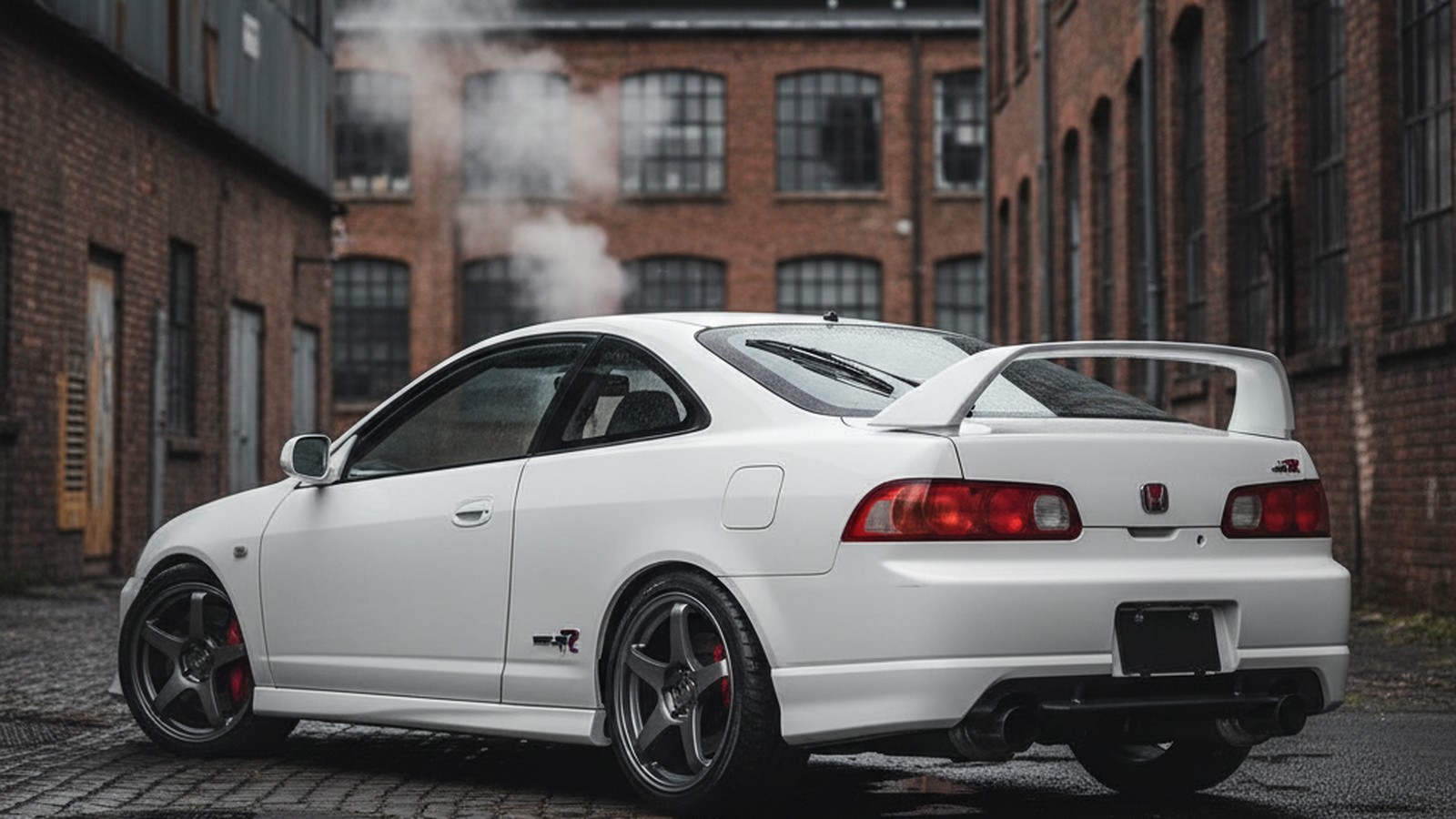
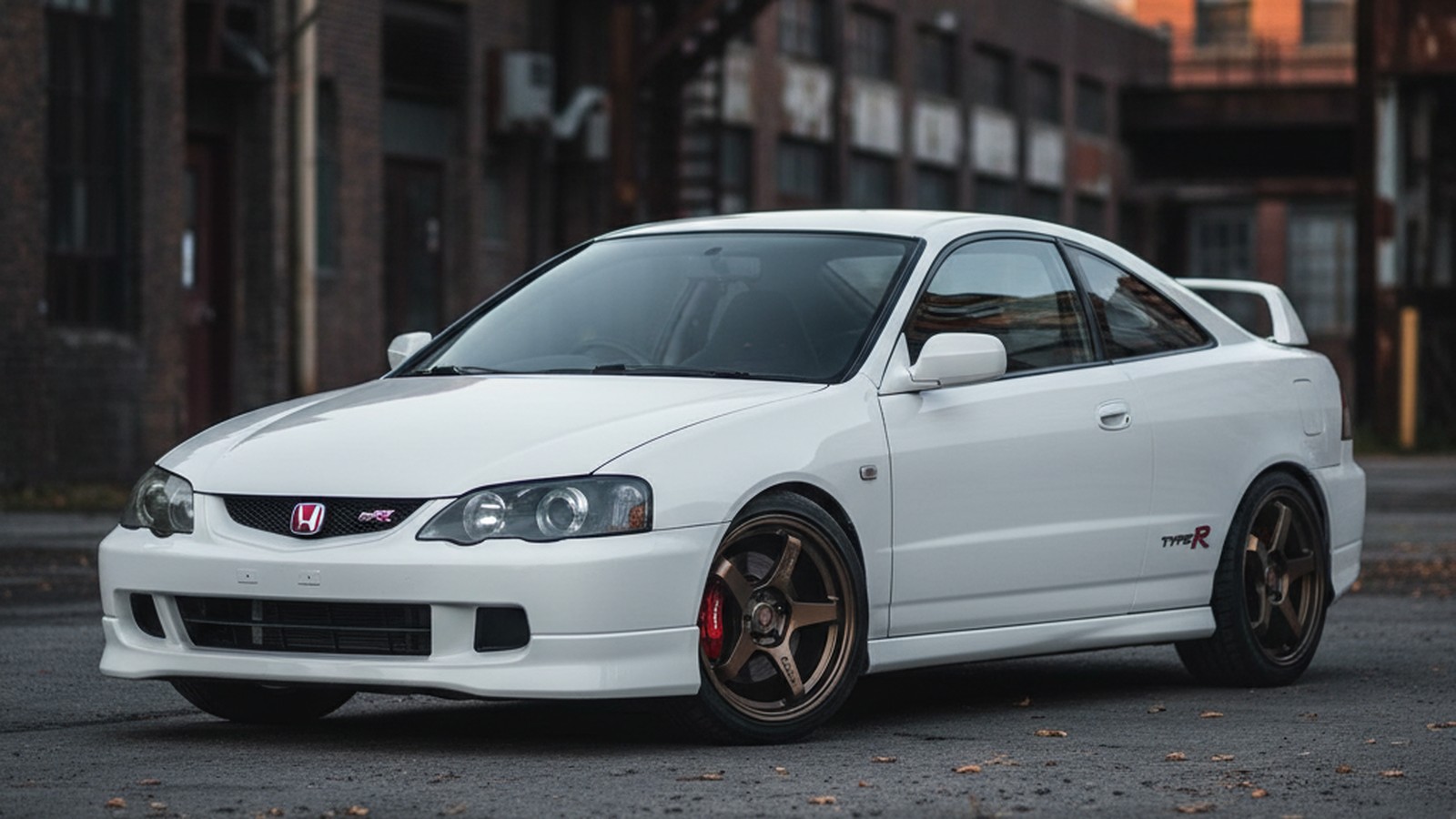
For most owners, the best aftermarket wheels for the Honda Integra Type R DC5 are 17×8 or 17×8.5 with offsets around +38 to +45, using the factory 5×114.3 PCD and 64.1mm centre bore. That size range keeps the car light on its feet, preserves steering feel, clears the factory Brembo brakes more easily than larger diameters suggest, and gives you access to tyre sizes like 225/45R17 and 235/40R17 without turning a beautifully balanced front-wheel-drive chassis into a rubbing or tramlining project.
In This Guide
- About the Honda Integra Type R DC5 platform
- DC5 Type R fitment specs
- Best wheel sizes
- Stance options
- Suspension and lowering
- Choosing wheel construction
- Tyre pairing guide
- Common fitment mistakes
- Legal compliance
- FAQ
- References
About the Honda Integra Type R DC5 Platform
The DC5 Integra Type R sits in a sweet spot that makes wheel fitment more interesting than it first appears. It is compact, relatively light, front-wheel drive, and built around a chassis that communicates clearly. It uses a helical limited-slip differential, a high-revving naturally aspirated engine, a strut front suspension layout, and geometry that rewards precision rather than excess. When you change wheel fitment on a DC5, the car tells you very quickly whether you made a smart decision or just copied something that looked good in a photo.
This is not a platform that needs oversized wheels to feel serious. In fact, one of the easiest ways to make a DC5 worse is to bolt on a wheel that is too large, too heavy, or pushed too far outward in the name of stance. The car’s character comes from response: quick turn-in, light-footed balance, and a front axle that feels eager instead of burdened. If the wheel package adds unnecessary rotational mass or scrambles the steering with an aggressive offset, you start losing the exact qualities that make the DC5 Type R worth preserving.
The factory setup already gives a clue about the car’s priorities. Honda did not chase a giant wheel diameter. It used a sensible 17-inch package, relatively narrow by modern standards, with enough brake clearance and tyre sidewall to keep the chassis honest. That means most good aftermarket fitments also stay grounded in 17-inch logic. You can go to 18s, and some owners do for visual reasons, but the best technical answer for mixed use usually stays with a well-chosen 17.
The other point that matters on the DC5 is how sensitive it is to front-end changes. The front tyres have to steer, brake, and deliver power. Offset, tyre shoulder profile, wheel weight, and alignment all feed directly into steering effort, kickback, tramlining, and how well the differential works on corner exit. A rear-wheel-drive coupe can sometimes hide a poor fitment choice behind style. The DC5 generally cannot. If the setup is wrong, you feel it through the rack and through the seat almost immediately.
That is why the best fitment advice for this chassis sounds a little conservative on paper. Conservative does not mean boring. It means using the available space intelligently, staying within a width and offset range that supports the chassis, and choosing a tyre package that helps the car rotate and put power down cleanly. If you need a refresher on the core measurements behind all of this, Kaizen’s guide to wheel offset, PCD and centre bore is worth reading before you lock in numbers.
DC5 Type R Fitment Specs
- Model: Honda Integra Type R (DC5)
- Production Years: 2001–2006
- PCD: 5×114.3
- Centre Bore: 64.1mm
- Stud Thread: M12x1.5
- Factory Wheel Size: 17×7
- Factory Offset: +60
- Factory Tyre Size: 215/45R17
- Factory Brake Note: Brembo front brakes on Type R models make spoke and barrel clearance important
The headline numbers are simple: 5×114.3, 64.1mm centre bore, and a factory package that sits fairly far inboard because of the high +60 offset. That high stock offset is one reason many aftermarket setups look more planted without needing extreme width. You do not have to go wildly aggressive to achieve a cleaner arch-to-wheel relationship on a DC5. Often, a moderate drop in offset from factory does enough.
It is also worth separating what physically fits from what works well. The DC5 can accept 17×9 or some 18-inch combinations in enthusiast builds, but that does not make them the best answer. The right wheel for a lightweight front-drive coupe should support the tyre properly, leave room for suspension movement, and keep the steering natural. On this platform, that usually means 17×8 or 17×8.5 first, with 18-inch fitment treated as a deliberate style decision rather than the default upgrade path.
Brake clearance deserves special attention. A lot of people assume that any 17-inch wheel clears because the factory wheel is a 17. That is not how it works. Clearance depends on spoke design, pad thickness behind the face, and inner barrel profile. Two 17×8 wheels with the same offset can behave very differently over the Brembo caliper. Always confirm brake clearance, especially if you are shopping based on width and offset numbers alone.
Best Wheel Sizes
Daily Driving
For a road-driven DC5 Type R, 17×8 +40 to +45 is the easiest all-round answer. It gives the tyre noticeably better support than the stock 17×7 wheel, sharpens the car visually, and still keeps the steering clean. A 225/45R17 tyre is the most straightforward pairing here. It preserves rolling diameter nicely, keeps enough sidewall for real roads, and suits the car’s weight and balance without making the front axle feel over-tyred.
17×8.5 +40 to +45 is the next logical step for owners who want a more serious fitment without tipping into track-only compromise. It works very well with 225/45R17 for a tauter, more responsive feel, or 235/40R17 if the suspension, alignment, and tyre model all support it. This is about as far as most people need to go on a fast-road DC5. The chassis responds well to the extra support, but it still feels nimble and alive.
The reason 17-inch fitment works so well is that it respects the original balance of the car. The DC5 likes a wheel that is light, supportive, and honest. Going too large or too wide can make the car feel like it is trying to imitate something heavier and more modern. That usually means worse ride quality, more effort over broken surfaces, and less of the sharp, eager character the chassis is known for.
Performance & Track
For harder driving, the DC5 still usually favours a 17-inch wheel. The common sweet spot is 17×8.5 +38 to +45, paired with either 225/45R17 or 235/40R17. That gives you more support under repeated cornering and braking while keeping overall weight under control. It is a very usable track-day package because it keeps tyre cost reasonable, sidewall behaviour predictable, and the car responsive in transitions.
Some track-focused builds go to 17×9, typically with more negative camber and more careful tyre selection. That can work if the car has the alignment and suspension to match, but it is no longer a plug-and-play choice. A 17×9 wheel can make sense on a DC5 that lives on semi-slicks and sees regular circuit work. For a mixed-use street and track car, it often adds more setup sensitivity than benefit.
The DC5 rewards a square setup and sensible restraint. There is little to be gained from trying to get dramatic rear-wheel depth or extreme front poke. The car’s speed comes from a front axle that bites cleanly and a rear end that stays composed enough to help rotation. If you want a deeper explanation of why matched widths usually make more sense here, Kaizen’s piece on staggered wheel setups explains why a square arrangement is the right call for most front-drive performance cars.
Show & Stance
If appearance matters most, 18×8 or 18×8.5 with an offset around +38 to +45 is usually the sensible upper limit for a DC5 that still needs to drive well. A tyre such as 215/40R18 or 225/40R18 can work depending on final height and tyre shape. Visually, 18s fill the arches more and modernise the car’s look, but they come with a clear trade-off: more wheel mass, less sidewall, and less of that crisp, lightweight Honda feel.
You can go more aggressive than that on a stance build, but the cost shows up quickly. Lower offsets start to affect scrub radius, steering effort, and guard clearance. Lower ride heights reduce the margin even further. The DC5’s body shape suits a clean flush fitment better than a wildly poked setup anyway. Most of the best-looking cars are not extreme on paper. They just sit well and use the available space properly.
If you want a show-focused DC5, the smartest approach is to decide early whether visual drama matters more than preserving the factory-like way the car drives. There is no wrong answer if it is intentional. The only mistake is pretending an appearance-first 18-inch stance build will feel just like a carefully sorted 17-inch fast-road package. It will not.
Stance Options
Street Flush
Street flush is where the DC5 usually looks best. Think a modest drop, wheel fitment that sits close to the outer arch without crossing it, and enough tyre sidewall to keep the car usable. A setup like 17×8 +42 or 17×8.5 +45 typically lands in this zone nicely. It gives the car a more assertive stance than stock, but it still feels like a Type R rather than a fashion exercise.
The benefit of street flush on this chassis is that it works with the way the car is meant to be driven. You keep reasonable steering feel, enough suspension travel, and a tyre that can still deal with poor surfaces and mid-corner load changes. The car looks cleaner and more serious without becoming tiring every time the road stops being perfect.
Aggressive Static
Aggressive static fitment on a DC5 is possible, but it asks a lot from alignment and suspension. More width, lower offsets, and a lower ride height often mean more front camber and less room for error. The front wheels are again the challenge. They need clearance at full lock, under compression, and when the differential is loading the outside tyre on exit.
Too much negative camber to rescue an aggressive wheel setup can make the car worse in the exact places it matters most on the road. Straight-line braking becomes less settled, inside-edge tyre wear increases, and the car can lose some of its crisp confidence. On a DC5, aggressive static tends to look best when it is still relatively restrained. The platform simply wears moderation well.
Air Suspension (Bags)
Air suspension gives the DC5 a broad visual range, but the same physical rules still apply. You can air the car out for show use and raise it for driveability, which helps if the goal is to run a more dramatic visual package without scraping everywhere. That said, bagged fitment still needs correct brake clearance, sensible offset, and a tyre that behaves properly at drive height.
The bigger question is always whether the car’s mission suits air. The DC5 Type R is celebrated because it feels direct and mechanical. A high-quality air setup can still be enjoyable, but it changes the car’s personality more than a mild coilover build does. If the goal is stance first, that may be worth it. If the goal is to protect what makes a Type R special, a good coilover setup usually remains the more natural path.
Suspension & Lowering
Wheel fitment on a DC5 only makes sense when suspension is part of the conversation. Lowering the car changes the relationship between tyre shoulder, guard lip, inner liner, and strut clearance. A setup that looks perfect at stock height can start rubbing once the car is dropped, especially at the front. That is why it is better to think in complete packages: wheel width, offset, tyre size, ride height, and alignment all need to work together.
Lowering springs are the simplest route if you want a neater stance without going too far. A drop in the vicinity of 20–30mm generally works well with 17×8 or many 17×8.5 packages. The car sits better, body roll feels a little tighter, and you can usually avoid major clearance drama if the tyre is chosen carefully. Springs work best when the wheel fitment is already sensible. They are not a magic fix for a wheel that is too aggressive.
Coilovers make more sense when you want a more tailored setup. They allow better control over ride height and usually give you a better chance of aligning the car around a specific wheel and tyre package. On a DC5, coilovers are especially helpful if you are moving to 17×8.5 with a 235 tyre or pushing toward a more track-oriented setup. Extra front camber adjustment can create space where needed and improve tyre support in corners, but it should be used as a tuning tool, not as a bandage for bad fitment.
Very low ride height is where the compromises begin to stack up. The front suspension loses valuable travel, bump steer can become more obvious, and the car starts to crash into the bump stops or clip the outer arch more easily. A DC5 rarely gets better to drive once it is slammed. It may look dramatic, but the handling usually becomes more brittle and less coherent. This platform likes being slightly lowered, not buried.
Alignment matters just as much as hardware. A moderate increase in front negative camber helps the DC5 use its front tyres more effectively, especially in spirited driving. It can also improve outer clearance a little. But camber alone does not solve everything. Toe settings, ride height balance, and even tyre construction change how the car reacts. A wheel setup should never rely on wild alignment numbers just to become driveable.
Choosing Wheel Construction
Construction matters on a DC5 because this chassis is sensitive to unsprung and rotational mass. A heavy wheel does more than blunt acceleration. It changes the way the suspension reacts to road imperfections, increases inertia during direction changes, and can make the steering feel less eager. Because the car itself is not especially heavy, the effect of wheel weight is easy to notice.
Cast wheels are still fine for plenty of street cars. If the goal is mainly cosmetic improvement with occasional spirited driving, a quality cast wheel in the right size can do the job. The key is not to let the wheel become excessively heavy. Once diameter or width climbs, many cast options start carrying more mass than this chassis really wants.
Flow forged wheels are often the sweet spot for the DC5. They usually deliver a better strength-to-weight balance than a conventional cast wheel and suit a car that benefits from every kilogram saved at the corners. For a mixed-use build that sees spirited driving, maybe a few track days, and still spends time on the road, flow forged construction often makes the most sense. If you want a broader breakdown of how construction types differ, Kaizen’s guide to cast vs forged wheels covers the trade-offs clearly.
Fully forged wheels make the most sense when the build is genuinely focused and the owner cares about minimising weight while keeping strength high. On a circuit-driven DC5, forged wheels can help preserve the car’s agility and improve the way the suspension manages repeated load changes. They are not necessary for everyone, but this is one of those cars where lighter wheels are not just a bragging point. They genuinely complement the chassis.
Tyre Pairing Guide
Tyres are half the fitment equation. On a DC5 Type R, maybe more than half. The car’s front axle is so communicative that tyre construction, sidewall stiffness, and shoulder shape all change the way the car responds. A sensible wheel size with the wrong tyre can still feel disappointing. A good tyre on the right 17-inch wheel is often what makes the whole package click.
For fast road use, 225/45R17 is the cleanest default size. It works beautifully with 17×8 and also suits many 17×8.5 setups. It gives you enough sidewall to maintain ride quality and enough support to sharpen the car over stock. It also keeps the rolling diameter close to what the DC5 expects, which helps preserve the natural gearing and speedometer behaviour.
235/40R17 is the common next step for owners who want a more serious setup. It pairs best with 17×8.5 and sometimes 17×9 depending on the overall build. This size gives more front-end support and can work very well when the suspension is set up properly. The catch is that tyre model matters more here. Some 235s run broad and square, which can tighten front clearance much faster than the label suggests.
For street-focused tyres, Michelin Pilot Sport 5 is an excellent fit for a DC5 that still does ordinary road miles. It has strong wet grip, polished road manners, and a nicely balanced response that suits lightweight front-drive cars. Continental ExtremeContact Sport 02 is another strong option for drivers who want confidence in mixed conditions with very good dry-road capability. Bridgestone Potenza Sport suits owners who prefer a slightly sharper, more immediate steering feel and are happy to accept a firmer edge on rougher roads.
For harder use, Michelin Pilot Sport Cup 2 and Yokohama Advan A052 are the usual reference points. Cup 2 is the more rounded circuit-capable tyre if the car still needs to cover real road miles. The A052 is the more aggressive choice when peak grip and fast warm-up are the priority. Either way, the tyre only works properly if the alignment supports it. On a DC5 with too little camber, the outer shoulder gets punished quickly during hard cornering.
The best all-round answer for most owners remains simple: a light 17×8 or 17×8.5 wheel, a quality 225/45R17 or carefully chosen 235/40R17 tyre, and an alignment that supports the front axle instead of fighting it. That package respects the original engineering of the car while still delivering a meaningful improvement.
Common Fitment Mistakes
- Assuming bigger is automatically better: The DC5 does not need a large-diameter wheel to look or drive well. Oversized wheels usually cost more in ride and response than they return in performance.
- Ignoring wheel weight: A heavy wheel can dull steering, slow the suspension’s reaction to bumps, and chip away at the light-footed feel that defines the chassis.
- Copying offsets from photos: A wheel that looks perfect in a parked image may rub at full lock or under compression. Real fitment is about use, not just appearance.
- Forgetting brake clearance: Not every 17-inch wheel clears the Brembo front brakes. Spoke shape and barrel design matter as much as diameter.
- Using camber to rescue a bad wheel choice: Camber should improve handling and fine-tune clearance, not save a setup that was too aggressive to begin with.
- Choosing tyres by size label alone: Different tyres in the same nominal size can measure very differently in the shoulder and carcass shape.
- Going too low too quickly: A slammed DC5 may look dramatic, but it usually loses too much travel to remain enjoyable on real roads.
- Skipping hub-centric rings when needed: If the wheel centre bore is larger than 64.1mm, proper hub-centric rings help centre the wheel correctly and reduce vibration risk.
Legal Compliance
Wheel and tyre changes should always be checked against the rules that apply where the car is registered and driven. Exact regulations vary, but the broad compliance themes are similar almost everywhere. Track width increases are often limited, tyres usually need suitable load and speed ratings, and the tread generally needs to remain covered by the bodywork when viewed from above.
It is also important to keep overall tyre diameter within a sensible range so speedometer accuracy, gearing feel, and general drivability are not affected unnecessarily. Nothing should contact the body, liner, suspension, or brake hardware throughout the full steering and suspension travel range. If the car is lowered, those checks matter even more because the available clearance margin shrinks quickly.
The safe approach is simple: treat physical fitment and legal fitment as two separate checks. Just because a wheel bolts on does not mean it automatically meets roadworthiness or insurance requirements. Confirm both before spending money.
FAQ
What bolt pattern does the Honda Integra Type R DC5 use?
The DC5 Type R uses a 5×114.3 bolt pattern.
What is the centre bore on a DC5 Type R?
The factory centre bore is 64.1mm.
What is the best wheel size for a Honda Integra Type R DC5?
For most owners, 17×8 or 17×8.5 is the best all-round aftermarket size because it improves tyre support and stance without compromising the car’s balance.
What offset works best on a DC5 Type R?
For most street and mixed-use setups, offsets around +38 to +45 work best. The exact sweet spot depends on tyre choice, suspension height, alignment, and brake-clearance design.
Can I run 18-inch wheels on a DC5 Type R?
Yes, but 18s are usually more about appearance than performance on this platform. A well-chosen 17-inch setup is typically the better technical answer for ride, response, and weight.
Will all 17-inch wheels clear the factory Brembo brakes?
No. Diameter alone does not guarantee clearance. Spoke profile and inner barrel design must also suit the caliper.
What tyre size works best with 17×8.5 wheels on a DC5?
225/45R17 is the easiest all-round size, while 235/40R17 can work very well for a more focused setup if alignment and clearance are managed properly.
Should I run a staggered wheel setup on a DC5 Type R?
No. A square setup is the correct default for this front-wheel-drive chassis because it keeps the handling balanced and predictable.
Do I need hub-centric rings for aftermarket wheels?
If the wheel centre bore is larger than 64.1mm, yes. Hub-centric rings help centre the wheel properly on the hub and reduce the chance of vibration.
Are forged wheels worth it on a DC5 Type R?
If you care about reducing weight and preserving the car’s agility, forged wheels can be worthwhile. For many owners, though, a good flow forged wheel is the smartest middle ground.
References
- Honda Integra official specification archive
- Honda Integra Type R DC5 specifications
- Tyre sizing and fitment reference tools
- Kaizen Wheels: Wheel Offset, PCD and Centre Bore Explained
- Kaizen Wheels: Cast vs Forged Wheels
- Kaizen Wheels: Aftermarket Wheel Buying Guide
PHP: 2026-04-20 00:48:19 [notice X 0][/home/mensring/kaizenwheels.com.au/wp-content/plugins/elementor-pro/modules/forms/submissions/actions/save-to-database.php::193] {closure:ElementorProModulesFormsSubmissionsActionsSave_To_Database::__construct():193}(): Implicitly marking parameter $exception as nullable is deprecated, the explicit nullable type must be used instead [array (
‘trace’ => ‘
#0: ElementorCoreLoggerManager -> shutdown()
‘,
)]
PHP: 2026-04-20 00:48:22 [notice X 0][/home/mensring/kaizenwheels.com.au/wp-content/plugins/elementor-pro/modules/forms/submissions/actions/save-to-database.php::193] {closure:ElementorProModulesFormsSubmissionsActionsSave_To_Database::__construct():193}(): Implicitly marking parameter $exception as nullable is deprecated, the explicit nullable type must be used instead [array (
‘trace’ => ‘
#0: ElementorCoreLoggerManager -> shutdown()
‘,
)]


