

Best Aftermarket Wheels for Subaru Outback XT: Fitment Guide
title: “Best Aftermarket Wheels for Subaru Outback XT: Fitment Guide”
slug: “best-aftermarket-wheels-for-subaru-outback-xt-fitment-guide”
category: “Fitment Guides”
make: “Subaru”
model: “Outback XT”
excerpt: “A detailed fitment guide to choosing aftermarket wheels for the Subaru Outback XT, including factory specs, safe wheel sizes, offsets, tyre sizing, clearance considerations, and answers to the most common fitment questions.”
—
The Subaru Outback XT sits in an interesting space. It is not a low-slung sports wagon and it is not a heavy body-on-frame off-roader either. It is a lifted all-wheel-drive crossover with a turbocharged engine, long-travel suspension, and enough road bias that wheel fitment still matters a lot to how it drives. That combination changes the wheel conversation. You are not just picking something that looks good in a parking lot. You are choosing a wheel size, width, offset, and tyre package that has to work with a taller ride height, a practical tyre sidewall, and a chassis that needs to stay composed on rough roads.
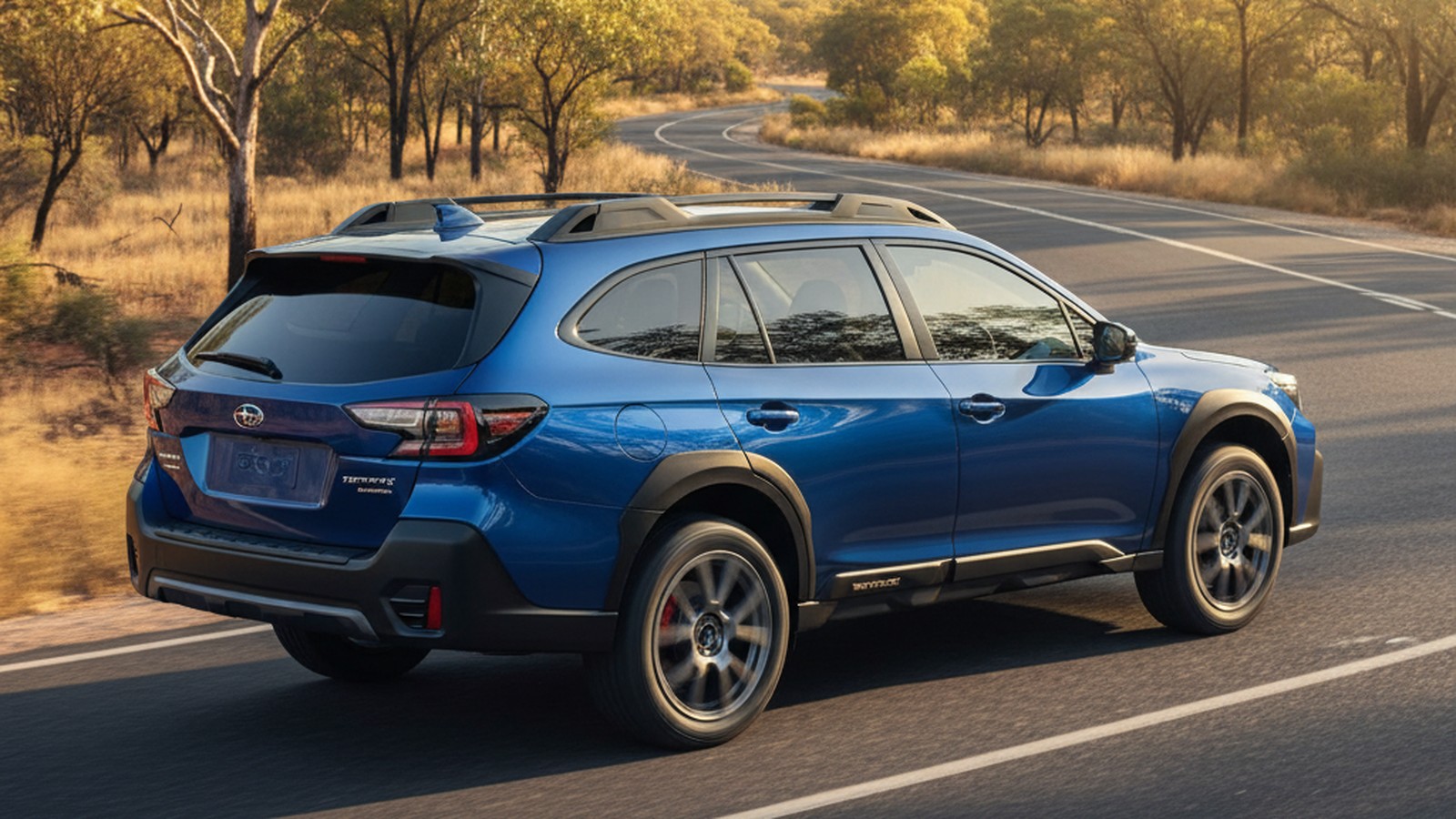
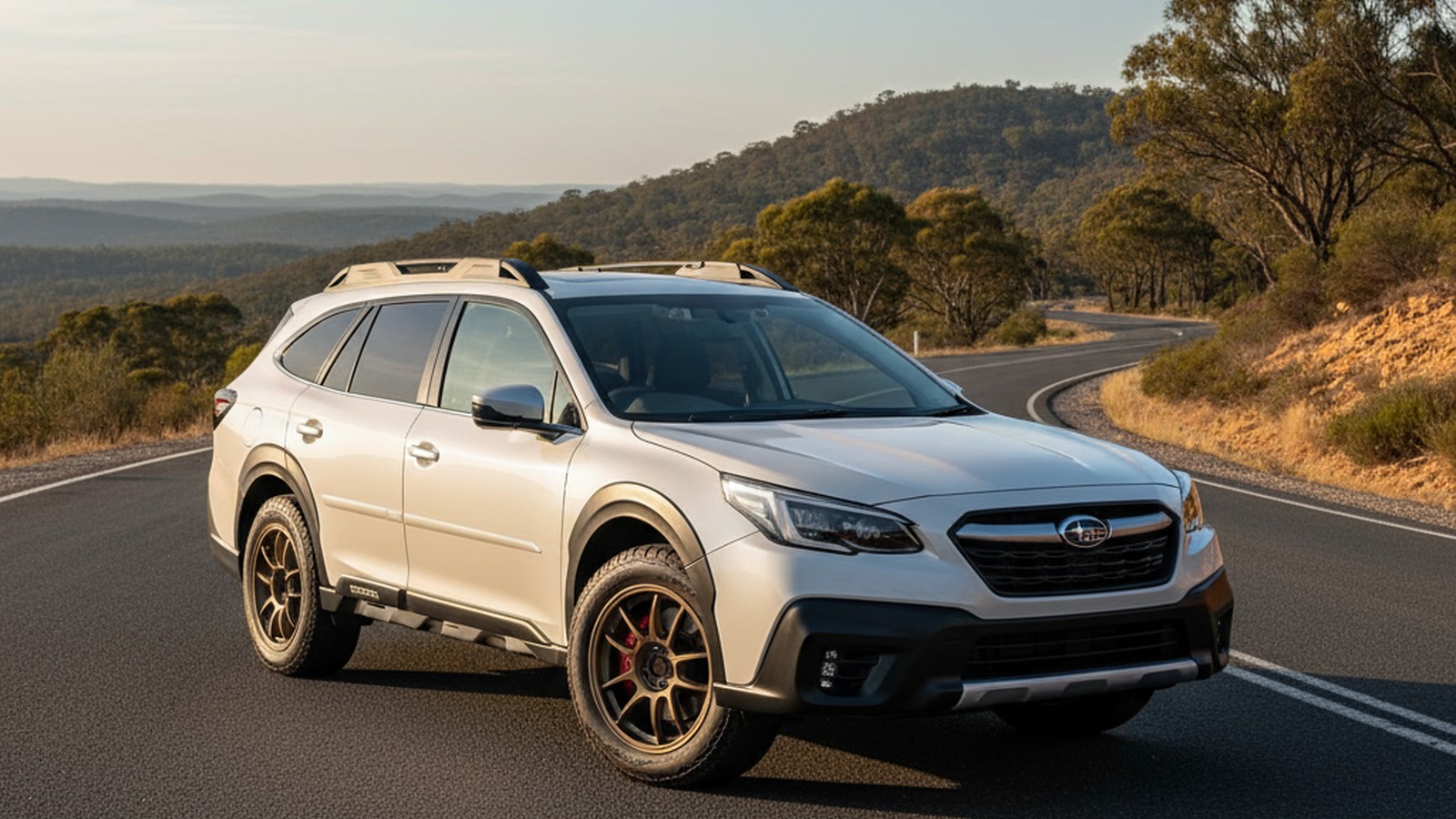
That is why the best aftermarket wheels for the Subaru Outback XT are usually not the biggest wheels you can physically bolt on. The smarter choice is a setup that respects the factory geometry, preserves usable sidewall, clears the brakes, and keeps the car’s all-weather capability intact. A good Outback XT setup should feel more planted, more precise, and more intentional without losing the comfort and versatility that make the car appealing in the first place.
For most current Subaru Outback XT models, the factory baseline is an 18-inch wheel with a 5×114.3 bolt pattern, 56.1 mm centre bore, and an offset around +55, commonly paired with a 225/60R18 tyre. That gives you a strong starting point. From there, the usual sweet spots are carefully chosen 18-inch upgrades for road-biased builds, or selected 17-inch packages for owners who want more sidewall and a tougher, more compliant setup.
This guide breaks down the numbers that matter, the wheel sizes that make sense, how offset changes the fitment, what tyre sizes work best, and the mistakes that cause rubbing, vibration, or a compromised driving feel.
Why the Subaru Outback XT needs a different wheel strategy
The Outback XT is heavier and taller than a conventional performance hatch or sports sedan, and it places different demands on its wheels. It also tends to carry passengers, luggage, and mixed-surface workloads more often than a purely urban commuter. That means wheel choice needs to consider more than appearance.
First, sidewall matters. The Outback XT benefits from a tyre with enough height to absorb broken surfaces, gravel, expansion joints, and poor road edges without making the steering nervous or the ride brittle. Going too large in wheel diameter usually means sacrificing that sidewall for appearance, and that trade-off rarely improves the car.
Second, load rating matters. A wheel that might be acceptable on a lighter passenger car is not automatically the right choice for a taller all-wheel-drive wagon that is expected to carry more weight and cope with poor surfaces. Any wheel chosen for the Outback XT should have an appropriate load rating, not just the right bolt pattern.
Third, offset sensitivity matters. The factory setup sits relatively tucked inward. That helps with clearance, steering feel, scrub radius, and bearing load. Push too far outward with an aggressive offset and the car can look tougher, but it may also become more prone to liner contact, steering kickback on rough roads, and unnecessary wear over time.
In other words, the best fitment for an Outback XT is usually one that looks subtly right rather than obviously extreme.
Factory wheel fitment specifications
Before looking at aftermarket options, it helps to lock in the factory numbers. These are the baseline fitment specs commonly associated with the current turbocharged Subaru Outback XT platform, though exact wheel and tyre combinations can vary by trim and model year. Always verify your placard and owner documentation before ordering.
- Bolt pattern (PCD): 5×114.3
- Centre bore: 56.1 mm
- Stud thread: M12x1.25
- Factory wheel size: typically 18x7J
- Factory offset: typically around +55
- Factory tyre size: commonly 225/60R18
Those numbers tell you most of what you need to know. The 5×114.3 PCD gives the Outback XT access to a broad range of aftermarket wheels. The 56.1 mm centre bore is typical of many Subaru applications, but it still needs to be respected; if the wheel has a larger bore, it should be matched with quality hub-centric rings. If you want a deeper explanation of how offset, bolt pattern, and centre bore work together, read this guide to wheel offset, PCD and centre bore.
The factory 18×7 width is conservative. Subaru chose it because it balances steering ease, ride compliance, tyre protection, and packaging. Aftermarket setups can improve stance and tyre support by going wider, but the car does not need a dramatic jump in width to respond well.
Best aftermarket wheel sizes for Subaru Outback XT
There is no single correct size for every owner because the right answer depends on how the car is used. A road-focused daily driver, a touring build, and a rough-road oriented setup will not all want the same wheel. Still, there are a few sizes that make sense repeatedly on the Outback XT.
18×7.5 to 18×8: the cleanest road-focused upgrade
For most owners, 18×7.5 or 18×8 is the best place to start. This size keeps the overall diameter sensible, preserves the character of the car, and allows a wider range of tyre options without forcing major compromises. It is the easiest upgrade path if you want sharper steering response and a better wheel design without upsetting the Outback’s ride quality.
Typical offset targets in this size are around +45 to +52, depending on final wheel width and tyre choice. Compared with the factory +55 wheel, this pushes the wheel outward slightly for a stronger stance without becoming excessive.
A well-chosen 18×8 setup with a tyre close to the original rolling diameter usually feels like the most factory-plus solution. It looks more purposeful, supports the tyre better, and avoids the oversized look that can make a crossover wagon feel clumsy.
17×7.5 to 17×8: the best option for more sidewall and rough-road compliance
If your priority is more tyre sidewall, better impact absorption, or a more rugged visual balance, 17-inch wheels make a lot of sense on the Outback XT. Dropping to a 17 gives you more flexibility to run a taller sidewall while maintaining a similar rolling diameter.
This is often the smartest choice for owners who spend time on broken rural roads, coarse surfaces, or light trails. The extra sidewall can improve comfort, reduce the chance of rim damage, and make the car feel calmer over rough patches.
As with 18-inch fitments, moderation matters. A 17×7.5 or 17×8 wheel with a sensible offset generally works far better than a wide, aggressively offset setup intended to create visual poke.
20-inch wheels: usually more compromise than benefit
Yes, larger diameters can be made to fit. But on the Outback XT, 20-inch wheels generally move the car in the wrong direction unless the build is purely appearance-driven. You lose sidewall, expose the wheels to impact damage, make the ride firmer, and often add weight. On a vehicle designed to blend comfort and utility, that usually feels like a backwards step.
For that reason, the best aftermarket wheels for Subaru Outback XT owners are usually 17s or 18s, not oversized show-focused diameters.
Choosing the right offset
Offset is where many fitment decisions go right or wrong. The factory offset is relatively high, which keeps the wheel tucked inboard. That is not an accident. It helps preserve clearance to the guards and keeps the steering geometry close to what the vehicle was designed around.
When you reduce offset, the wheel moves outward. This can improve the visual stance, but it also changes inner and outer clearance. Go too aggressive and you can create contact with the guard liner, increase splash and debris throw along the body, and alter the steering feel on rough roads.
As a general guide for the Outback XT:
- +50 to +55: very conservative, close to factory positioning
- +45 to +50: usually the sweet spot for many 18×7.5 or 18×8 street setups
- +38 to +45: more aggressive, may work depending on wheel width and tyre shape, but needs careful checking
- Below +38: generally entering a more compromised zone for this platform unless the build has specific clearance modifications
Offset should never be chosen in isolation. An 18×8 +45 and an 18×8 +50 can both work very differently once tyre width and shoulder shape are involved. Some tyres run square-shouldered and consume more outer clearance than others. That is why it is worth understanding the full fitment picture rather than shopping by diameter alone. If you want a broader overview of wheel sizing logic, this aftermarket wheel buying guide is a useful companion read.
Tyre sizing that works with the Outback XT
Tyre choice can make or break a wheel upgrade. On a Subaru Outback XT, tyre sizing affects ride quality, speedometer accuracy, gearing feel, steering response, and clearance. The usual goal is to stay close to the original rolling diameter while choosing a tyre width and sidewall that suit the intended use.
The factory tyre size commonly associated with the current XT is 225/60R18. That is a practical benchmark because it gives the car enough sidewall to do its job without making the steering overly soft.
Best tyre pairings for 18-inch wheels
- 225/60R18: the easiest baseline, close to original character and diameter
- 235/60R18: slightly wider footprint, but check clearance carefully
- 235/55R18: firmer, slightly lower overall diameter, more road-biased feel
For most owners, 225/60R18 remains the most balanced choice even on a wider aftermarket wheel. It keeps the car honest. Moving to 235 width can work, but the payoff is not always worth the extra clearance sensitivity unless you have a specific reason for it.
Best tyre pairings for 17-inch wheels
- 225/65R17: one of the most natural alternative sizes, preserving a useful overall diameter with more sidewall
- 235/65R17: possible in some setups, but more likely to need detailed clearance checks
A 17-inch package often makes the most sense if you prioritise comfort, tyre compliance, and better rim protection on rough surfaces. It can also visually suit the Outback XT very well because the car already has a practical, taller-sidewall stance from the factory.
Wheel construction: what matters on this platform
Wheel construction matters, but not in the simplistic way it is often presented. The Outback XT is not necessarily chasing lap times, but it still benefits from avoiding unnecessarily heavy wheels.
Flow formed wheels
Flow formed wheels are often the sweet spot for a high-quality Outback XT setup. They can reduce weight relative to many conventional cast wheels while maintaining strong structural characteristics. On a vehicle like this, a lighter wheel can improve steering response and suspension composure without demanding the expense of a full forged wheel.
Cast alloy wheels
A well-made cast wheel is still a completely valid choice. For everyday use, touring, and mixed conditions, a quality cast wheel with the right load rating can perform very well. What matters most is not the label alone, but whether the wheel is appropriately rated, sensibly sized, and properly fitted.
Forged wheels
Forged wheels can be excellent, but the Outback XT does not require them to achieve a good result. If the priority is practicality and balanced performance, a properly chosen cast or flow formed wheel is often the more rational answer.
Brake, suspension and body clearance checks
The Outback XT is generally not a difficult platform for wheel clearance compared with some performance cars, but that does not mean every 5×114.3 wheel will fit correctly. Brake caliper shape, inner barrel design, spoke curvature, tyre shoulder profile, and ride height all influence the final result.
Before committing to a fitment, check:
- Brake clearance: the wheel must clear the front calipers not just at the barrel, but also behind the spokes
- Inner suspension clearance: especially relevant when increasing width while keeping a higher offset
- Outer guard and liner clearance: critical when reducing offset or fitting a wider tyre
- Full-lock steering clearance: one of the most common places rubbing shows up on taller wagons and crossovers
- Compression clearance: what clears statically in a driveway may not clear under load, cornering, or a sharp dip
This is why “it bolts on” is not the same thing as “it fits properly”. Real fitment means full functional clearance, not just mounting compatibility.
What wheel styles suit the Subaru Outback XT?
Because the Outback XT is a large wagon-crossover shape with substantial body cladding, it usually suits cleaner wheel designs rather than overly intricate, delicate patterns. Visually, the car responds well to wheels that look strong and intentional.
Styles that usually work best include:
- Split five-spoke designs: clean, modern, easy to maintain, and visually strong on a larger body
- Multi-spoke rally-inspired wheels: a natural fit with Subaru heritage, especially on 17-inch or functional 18-inch builds
- Mesh designs with moderate visual density: can work well if the finish and diameter stay restrained
Finishes such as satin bronze, matte gunmetal, dark silver, and subtle black often suit the Outback XT best because they complement the car’s practical, technical feel without making the wheels look too delicate or too ornamental.
Common fitment mistakes on the Outback XT
Most bad outcomes come from a few predictable mistakes.
Going too large in diameter
Large wheels can make the Outback XT look top-heavy and reduce the sidewall the suspension expects. The result is often worse ride quality with little practical upside.
Choosing width before thinking about offset
An extra inch of width can be fine, but only if the offset keeps the wheel in the right place. Width without offset planning is how rubbing starts.
Ignoring wheel load rating
The Outback XT is not a lightweight coupe. Make sure the wheel is rated for the job it is being asked to do.
Skipping hub-centric rings when required
If the wheel bore is larger than 56.1 mm, quality hub-centric rings help centre the wheel correctly and reduce the risk of vibration.
Changing rolling diameter too much
Large changes in overall tyre diameter can affect gearing feel, speedometer accuracy, and electronic systems. Staying close to the factory rolling diameter is usually the best approach.
Recommended fitment directions
If you want a practical shorthand, these are the fitment directions that make the most sense for most Subaru Outback XT owners.
Best all-round street setup
18×8 with an offset around +45 to +50, paired with 225/60R18. This is one of the strongest all-purpose combinations. It improves support and stance without distorting the vehicle’s character.
Best comfort and rough-road setup
17×7.5 or 17×8 with a sensible offset, paired with 225/65R17. This is ideal if comfort, rim protection, and surface compliance matter more than visual sharpness.
Best subtle visual upgrade
A lightweight 18-inch wheel with a slightly reduced offset from factory, but not an extreme one. The best-looking Outback XT setups usually look intentional rather than exaggerated.
How to choose the right setup for the way you actually use the car
The easiest way to get Subaru Outback XT fitment wrong is to choose a wheel as if the car only has one job. In reality, most Outback XT owners ask the vehicle to do several things at once. It might spend weekdays on paved roads, weekends carrying gear, and occasional trips on loose or broken surfaces. The right wheel setup depends on which of those jobs matters most.
For mainly urban and highway driving
If the car lives mostly on sealed roads and you want a cleaner look with sharper on-road response, 18-inch wheels are usually the best answer. They retain the visual balance of the body, maintain a comfortable amount of sidewall, and avoid making the chassis feel under-tyred. In this use case, a wheel around 18×8 with a moderate offset and a tyre close to the factory diameter is hard to beat.
This type of setup typically delivers the most obvious improvement in steering precision. The tyre is better supported on the wheel, turn-in feels a touch cleaner, and the car can look more planted without becoming harsh or overly styled.
For touring, luggage and mixed-surface use
If the Outback XT regularly carries passengers, cargo, or sees long trips across inconsistent road quality, restraint becomes more valuable than aggression. A wheel with a sensible load rating, moderate width, and enough sidewall to absorb impacts will generally serve the car better than a heavier and wider package.
That is where 17-inch or practical 18-inch combinations make the most sense. They preserve the vehicle’s long-distance comfort and reduce the likelihood of impact damage when the car is loaded. The Outback XT is designed to cover distance comfortably, so the best wheel package should support that mission rather than undermine it.
For a more rugged, functional look
Many owners want an Outback XT that looks tougher without compromising usability. The temptation is often to reach for very aggressive offsets and oversized all-terrain tyre combinations. That approach can work in some builds, but it is rarely the most balanced path on a road-biased crossover wagon.
A better answer is usually a modestly wider wheel in 17-inch diameter, paired with a tyre that preserves diameter and sidewall without pushing too far outward. You still get a stronger stance and a more purposeful look, but the vehicle remains quiet, stable, and easy to live with.
Technical checklist before ordering wheels
Before buying any wheel for a Subaru Outback XT, run through a proper checklist. This prevents the common problem where a wheel looks right on paper but creates avoidable issues after installation.
- Confirm exact vehicle details: year, trim, brake package, and whether the suspension is factory or modified
- Match the PCD exactly: 5×114.3 means exactly that, not a near match
- Confirm centre bore: 56.1 mm hub bore should be matched directly or via proper hub-centric rings
- Check load rating: especially important on a larger AWD wagon used for passengers and cargo
- Verify offset against actual width: do not choose offset in isolation
- Choose tyre size before ordering: tyre shoulder shape can change clearance outcomes
- Check brake and spoke clearance: barrel clearance alone is not enough
- Keep rolling diameter sensible: large departures from factory create unnecessary compromises
That checklist may sound basic, but it is exactly what separates a smooth bolt-on upgrade from a setup that needs spacers, trimming, guesswork, or a second purchase to correct the first one.
How wheel changes affect ride and handling on the Outback XT
Because the Outback XT has more suspension travel and tyre sidewall than a conventional passenger car, wheel changes can alter the feel of the vehicle in ways that are more noticeable than expected. A heavier wheel can dull the suspension response over repeated bumps. A lower-profile tyre can make the steering feel initially quicker, but also more abrupt and less settled on poor surfaces. A wheel that sits too far outward can add tramlining and kickback over road imperfections.
The best upgrades tend to improve control without erasing compliance. That usually means keeping wheel weight reasonable, preserving useful tyre sidewall, and choosing offsets that do not dramatically change the scrub radius. The Outback XT is at its best when it feels planted and confident, not over-styled and nervous.
This is also why a modest wheel upgrade often outperforms a dramatic one in the real world. A carefully chosen 18-inch package may not look as extreme in photos, but it usually gives a better combination of grip, comfort, steering consistency, and durability across normal driving conditions.
Frequently asked questions
What is the bolt pattern for the Subaru Outback XT?
The current Subaru Outback XT commonly uses a 5×114.3 bolt pattern. Always confirm your exact model year and trim before ordering wheels.
What is the centre bore of the Subaru Outback XT?
The centre bore is commonly 56.1 mm. If an aftermarket wheel has a larger centre bore, it should normally be installed with quality hub-centric rings to ensure a proper fit.
What is the factory wheel size on the Subaru Outback XT?
Many current Outback XT models are commonly fitted with an 18×7 wheel and a 225/60R18 tyre from the factory, with an offset around +55. Exact specifications can vary by trim and market, so verify your vehicle before buying.
Can I fit 18×8 wheels on a Subaru Outback XT?
Yes, 18×8 is often one of the best aftermarket sizes for the Outback XT when matched with the correct offset and tyre. It is a natural upgrade path for a road-focused build.
Can I run 17-inch wheels on the Outback XT?
In many cases, yes. A 17-inch setup can be an excellent choice if the wheel clears the brakes and is paired with an appropriate tyre such as 225/65R17. It usually offers more sidewall and better rough-road compliance.
What offset is best for the Subaru Outback XT?
For many sensible street setups, an offset in the +45 to +50 range works well depending on wheel width and tyre shape. More aggressive offsets can work, but they need more careful clearance checking.
Should I go wider than stock on my Outback XT?
A modest increase in wheel width can work well, especially moving from 7 inches to 7.5 or 8 inches. Going too wide can create unnecessary fitment complications and usually offers diminishing returns on this platform.
Are bigger wheels better on a Subaru Outback XT?
Not usually. The Outback XT generally benefits more from balanced 17-inch or 18-inch fitments than oversized diameters. Larger wheels often reduce comfort and increase the risk of tyre and rim damage.
Do I need hub-centric rings for aftermarket wheels?
If the wheel’s centre bore is larger than the vehicle’s 56.1 mm hub bore, then yes, hub-centric rings are usually recommended to help centre the wheel correctly and minimise vibration.
What tyre size is best for 18-inch aftermarket wheels on an Outback XT?
For most road-focused setups, 225/60R18 remains one of the best choices because it stays close to the factory rolling diameter and preserves the vehicle’s intended balance of comfort and control.
Final thoughts
The best aftermarket wheels for the Subaru Outback XT are the ones that work with the car, not against it. That usually means resisting the temptation to chase maximum diameter or aggressive poke just because it is possible. The Outback XT is at its best when the wheel and tyre package supports the way the chassis was designed to operate: stable, comfortable, planted, and capable across a wide range of surfaces.
For most owners, a carefully selected 18×8 setup or a practical 17-inch package is the sweet spot. Keep the bolt pattern correct, respect the 56.1 mm centre bore, stay close to the original rolling diameter, and choose an offset that improves stance without creating clearance problems. Get those fundamentals right and the result will not just look better. It will drive better too.
PHP: 2026-04-20 00:47:31 [notice X 0][/home/mensring/kaizenwheels.com.au/wp-content/plugins/elementor-pro/modules/forms/submissions/actions/save-to-database.php::193] {closure:ElementorProModulesFormsSubmissionsActionsSave_To_Database::__construct():193}(): Implicitly marking parameter $exception as nullable is deprecated, the explicit nullable type must be used instead [array (
‘trace’ => ‘
#0: ElementorCoreLoggerManager -> shutdown()
‘,
)]
PHP: 2026-04-20 00:47:34 [notice X 0][/home/mensring/kaizenwheels.com.au/wp-content/plugins/elementor-pro/modules/forms/submissions/actions/save-to-database.php::193] {closure:ElementorProModulesFormsSubmissionsActionsSave_To_Database::__construct():193}(): Implicitly marking parameter $exception as nullable is deprecated, the explicit nullable type must be used instead [array (
‘trace’ => ‘
#0: ElementorCoreLoggerManager -> shutdown()
‘,
)]


