

Best Aftermarket Wheels for Subaru Liberty GT: Fitment Guide
title: “Best Aftermarket Wheels for Subaru Liberty GT: Fitment Guide”
slug: “best-aftermarket-wheels-for-subaru-liberty-gt-fitment-guide”
date: “2026-03-28”
description: “A detailed Subaru Liberty GT wheel fitment guide covering bolt pattern, centre bore, offsets, tyre sizing, brake clearance, lowering considerations, and common mistakes to avoid.”
—
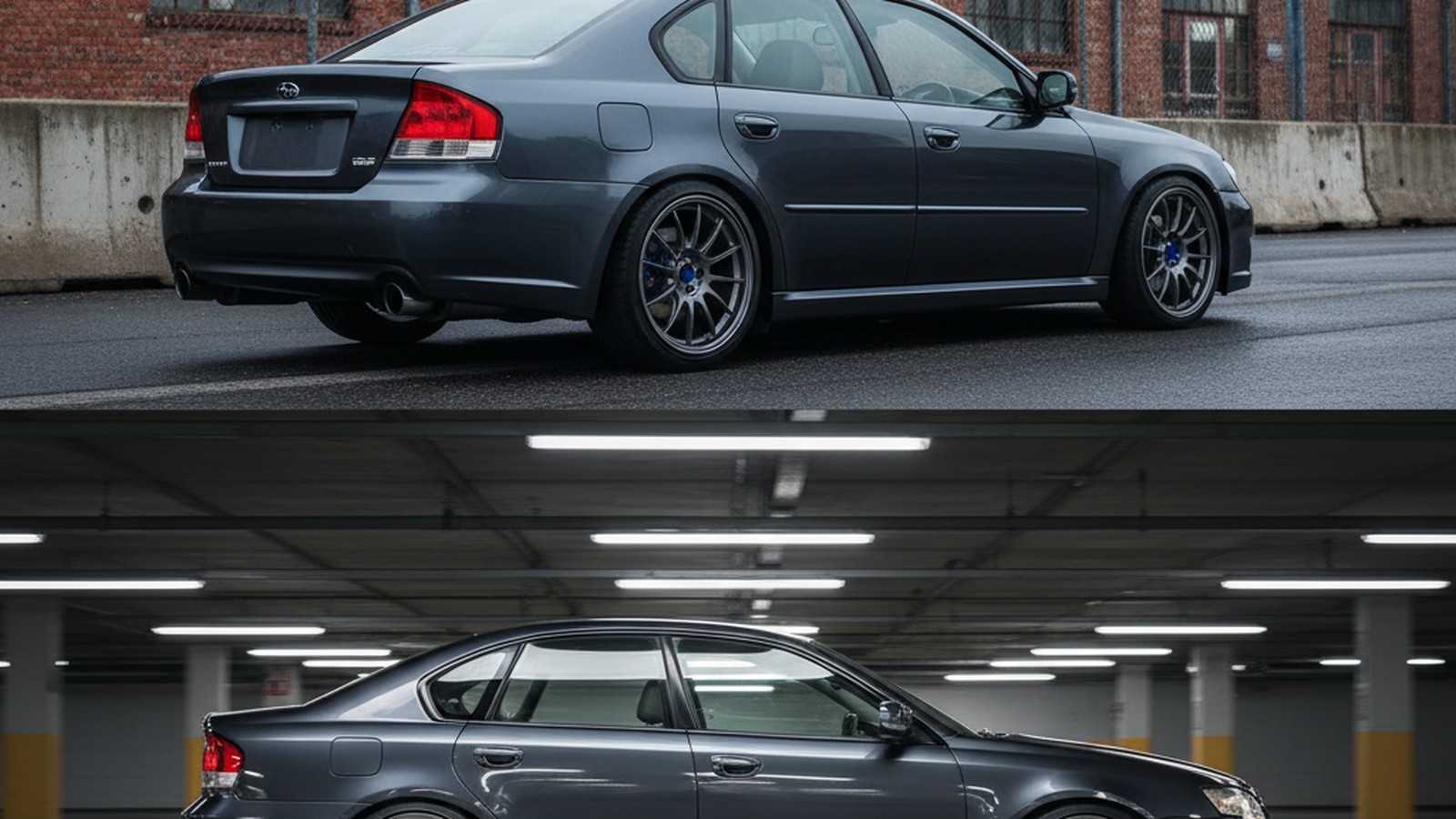
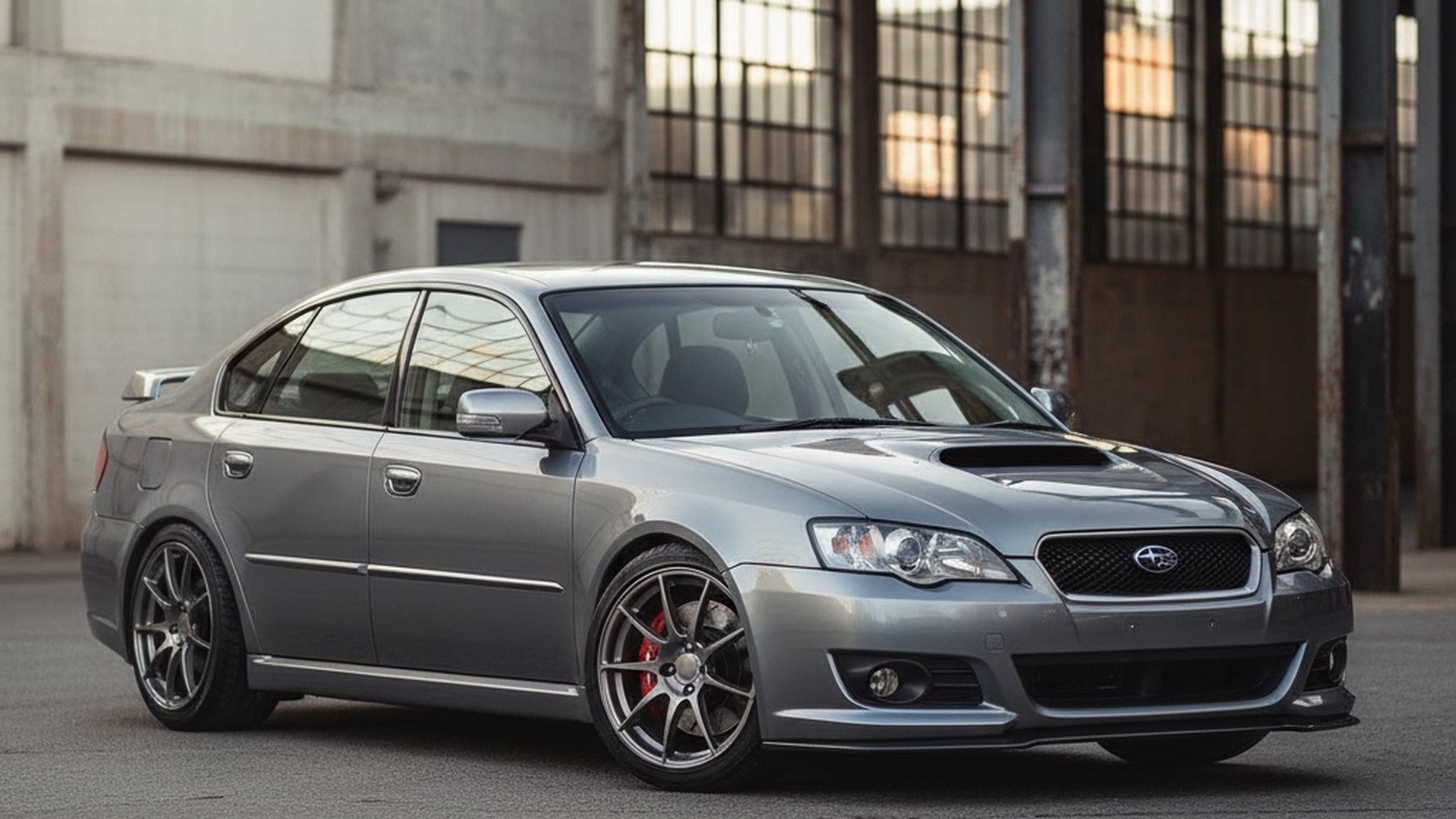
For most Subaru Liberty GT owners, the best aftermarket wheel fitment starts with 18-inch wheels in sensible widths and offsets that respect the car’s all-wheel-drive balance, brake clearance and suspension travel. In practical terms, that usually means staying around 18×8 to 18×8.5 for a conservative road setup, or 18×9 with carefully chosen offset for a more aggressive fitment. Get those fundamentals right and the Liberty GT becomes easier to place on the road, looks more resolved, and avoids the rubbing, tramlining and steering heaviness that come from chasing numbers instead of fitment.
In This Guide
- About the Subaru Liberty GT Platform
- Factory Fitment Specs
- How the Liberty GT Responds to Wheel Changes
- Best Wheel Sizes
- Offset and Stance Options
- Brake Clearance, Centre Bore and Hardware
- Tyre Pairing Guide
- Lowering and Suspension Considerations
- Common Fitment Mistakes
- Legal and Practical Considerations
- FAQ
- References
About the Subaru Liberty GT Platform
The Subaru Liberty GT sits in an interesting middle ground. It is not a stripped-out sports car and it is not just a soft commuter sedan or wagon with a turbo badge. A good Liberty GT combines turbocharged torque, all-wheel-drive traction, practical body dimensions and the kind of chassis composure that rewards thoughtful modifications. That balance is exactly why wheel fitment matters so much on this platform. The car can carry a more purposeful wheel and tyre package very well, but it does not respond kindly to random sizing choices.
Compared with lighter Subaru performance models, the Liberty GT typically carries more mass, more cabin refinement and a slightly more mature suspension character. That means the best aftermarket setup is rarely the most extreme one that technically bolts on. The car tends to work best with wheel sizes that improve steering precision and tyre support without making the ride brittle or pushing the outer shoulder into the guards under compression.
Most owners looking at Liberty GT fitment are trying to solve one or more of the same questions. They want a stronger stance without ruining drivability. They want enough width for better tyre support without introducing constant rubbing. They want the wheel to visually fill the arches, but they do not want to create a setup that follows road grooves, feels heavy at parking speeds or becomes irritating on rough surfaces. Those are reasonable goals, and the Liberty GT can absolutely deliver them if you approach fitment as a system rather than a style choice.
That system starts with four things: bolt pattern, centre bore, brake clearance and offset. If any one of those is wrong, the fact that the wheel diameter looks right becomes irrelevant. If you want a solid refresher on the language behind fitment before choosing sizes, Kaizen’s guide to wheel offset, PCD and centre bore is worth reading first. For a broader overview of how wheel sizing affects the way a car looks and drives, the site’s aftermarket wheel buying guide is also useful background.
Factory Fitment Specs
The Liberty GT exists across more than one generation and market specification, so factory wheel sizes can vary, but the key hard points stay broadly familiar for modern turbo all-wheel-drive Subaru fitment. The most important constants are the Subaru 5×100 bolt pattern used on many Liberty GT applications, the 56.1mm centre bore, and factory offsets that sit relatively high compared with many aftermarket styles.
- Bolt pattern (PCD): 5×100 on many Liberty GT applications
- Centre bore: 56.1mm
- Factory wheel diameter: commonly 17 or 18 inches depending on year and trim
- Typical factory width: around 7 to 7.5 inches
- Typical factory offset: generally in the mid to high positive range
- Factory tyre philosophy: conservative overall diameter, comfortable ride quality and broad clearance margins
That last point matters more than it first appears. Subaru did not design the Liberty GT around an aggressive flush fitment from the factory. It was engineered to work in all weather, across a range of loads, with predictable suspension movement and minimal drama. When you move to a wider aftermarket wheel, you are eating into those factory margins. That does not mean you should avoid upgrading. It simply means you need to understand what changes when you add width, reduce offset or increase tyre shoulder.
One other thing to remember is that factory wheel specs are only the beginning. A car can accept a wheel that differs significantly from stock and still work beautifully, but only if overall rolling diameter, offset position, inner clearance, outer clearance and tyre shape are considered together. A wheel that looks close on paper can still foul a strut, touch a guard liner or sit awkwardly relative to the body.
How the Liberty GT Responds to Wheel Changes
The Liberty GT usually responds best to balanced changes rather than dramatic ones. Increase width too aggressively and the steering becomes less relaxed, especially on poor surfaces. Drop offset too far and the wheel moves outward enough to create rubbing on compression, added kickback through the steering and extra stress on the visual harmony of the car. Increase diameter without thinking about tyre sidewall and you can make the car feel heavier and less composed over broken roads.
On the other hand, a well-judged increase in wheel width and a sensible offset can wake the chassis up. The steering can feel more immediate, the front end gains support, and the car looks more planted without losing the understated character that suits the Liberty GT so well. This is why 18-inch fitment is such a common sweet spot. It keeps enough sidewall in the tyre for real-world use while still giving the car a sharper, more modern stance.
Because the Liberty GT is all-wheel drive, tyre matching matters even more than it does on a simple front-wheel-drive or rear-wheel-drive build. You want all four rolling diameters to match closely, and you generally want the same tyre size on all four corners unless you are solving a very specific clearance problem. Staggered show-car logic does not usually suit this platform. A square setup preserves rotation options, keeps the drivetrain happier and maintains the neutral, secure feel that makes the car easy to live with.
Best Wheel Sizes
Best Daily Driver Size
For most owners, the strongest all-round daily setup is 18×8 or 18×8.5 with a moderate positive offset. This size range gives you a clear visual upgrade from stock, enough tyre support for spirited driving, and a much wider choice of performance road tyres than many original wheel packages. It also avoids the common trap of going so wide that every alignment or suspension change becomes a clearance exercise.
An 18×8 wheel is the easy answer if you want very low drama. It leaves useful clearance on both sides, supports tyre sizes that suit the Liberty GT well, and generally works without needing the kind of aggressive ride height or guard work that compromises everyday use. An 18×8.5 setup adds a little more presence and a little more tyre support while still being realistic for a street-driven car.
If the car spends most of its life on public roads, these sizes usually deliver the best compromise between appearance, precision, ride quality and long-term practicality. They also give you more tolerance for tyre brand differences. Two tyres with the same nominal size can measure differently in reality, so a slightly less aggressive wheel gives you breathing room.
Best Sporty Road Setup
If you want the car to look and feel more assertive, 18×8.5 remains the sweet spot, especially when combined with a tyre that has enough sidewall to absorb real road imperfections. This size keeps the Liberty GT feeling serious without making it fussy. It tends to suit owners who want the car to feel sharper on turn-in and more planted in fast sweepers, but still civilised enough for commuting, touring and poor surfaces.
This is also the point where offset becomes decisive. Two 18×8.5 wheels can behave very differently depending on where the mounting face places the wheel relative to the hub. The right offset keeps the wheel tucked where the suspension wants it. The wrong one creates instant visual aggression at the expense of clearance and steering quality.
Best Aggressive Street Fitment
A more aggressive street build often lands at 18×9 with careful offset selection and tyre pairing. This can work very well on the Liberty GT, particularly if the car has supporting alignment, healthy suspension and realistic ride height. It gives the body more visual authority and better supports wider tyres, but it is no longer a casual plug-and-play choice.
At 18×9, small mistakes get amplified. The wrong tyre shoulder, a slightly too-low ride height or an offset that pushes the wheel outward a little too far can move the setup from clean to annoying very quickly. This is why 18×9 is best treated as the upper end of a well-sorted road fitment rather than the default answer for every owner.
Could you go larger in diameter? Yes, physically. But on this platform, bigger is not automatically better. A 19-inch setup can look impressive, yet it usually gives away some ride quality and impact compliance. Unless the build has a very specific visual goal, 18 inches tends to be the most intelligent answer.
Offset and Stance Options
Offset determines where the wheel sits in relation to the hub, suspension and guard. It is the single number that people underestimate most often. The Liberty GT generally likes a sensible positive offset. Too high and the wheel can sit tucked and visually timid. Too low and the wheel pushes outward, increasing the chance of rubbing and altering steering feel.
For conservative road fitment, staying around the moderate positive range is usually safest. On an 18×8 or 18×8.5 wheel, that tends to preserve inner clearance while still bringing the wheel face outward enough to improve stance. For an 18×9 wheel, the same logic applies, but the acceptable window becomes narrower because the extra width already consumes more space on both sides.
It is tempting to treat “flush” as the end goal, but flush is not a universal number. A setup that looks perfect at static ride height can still contact the guard lip, liner or rear arch under load. This is especially true on a car like the Liberty GT, which is often used with passengers, luggage or long-distance driving in mind. A road car needs dynamic clearance, not just driveway clearance.
If you are unsure how offset interacts with width, go back to basics before buying. The cleanest builds usually come from restraint: enough outward movement to visually wake the car up, but not so much that the car starts to feel modified in the wrong ways. Again, Kaizen’s article on offset, PCD and centre bore explains this foundation well.
Brake Clearance, Centre Bore and Hardware
Wheel fitment is not only about diameter, width and offset. Brake clearance is equally important, and it is not guaranteed simply because a wheel is 18 inches. Barrel shape and spoke profile matter. One 18-inch wheel may clear the front brakes comfortably while another 18-inch wheel with a different spoke design may sit too close or foul the caliper entirely.
This is why template checking matters on performance-oriented Subarus. The Liberty GT may not always have the huge brake package of some flagship performance models, but it still deserves proper clearance verification. Never assume that diameter alone solves it.
The 56.1mm centre bore is another non-negotiable point. Subaru’s hub bore is smaller than many universal aftermarket wheels are designed around. If the wheel is not machined specifically to 56.1mm, you may need high-quality hub-centric rings to ensure the wheel is properly centred on the hub. Relying only on the wheel nuts to centre the wheel is bad practice and can introduce vibration even if the wheel technically bolts on.
Hardware matters too. Seat type, stud length and thread engagement all need to match the wheel. If you are changing from factory wheels to an aftermarket design with different mounting pad thickness or nut seat geometry, confirm the correct nuts rather than assuming the original hardware transfers across safely. This is especially important if spacers are involved. Spacers reduce your margin for error, and poor-quality spacers create their own set of problems. On a Liberty GT, the better answer is usually choosing the right wheel spec first instead of trying to rescue the wrong one with spacers.
Tyre Pairing Guide
The tyre you choose will often decide whether a fitment feels polished or compromised. Wheels get the attention, but tyres do the real work. On a Liberty GT, the goal is usually to keep overall rolling diameter close to factory, preserve all-wheel-drive harmony and choose a sidewall that complements the car’s dual-purpose character.
For 18×8, a tyre in the 225 or 235 width range is usually the natural place to start, depending on the exact fitment goal and the tyre model’s real-world section width. For 18×8.5, 235 and 245 widths often make the most sense. For 18×9, many owners look at 245-width tyres as the logical pairing, with some exploring wider options if the offset, alignment and body clearance allow it.
The reason to avoid chasing an oversized tyre is simple: sidewall shape changes quickly once you move outside the wheel width the tyre was happiest on. A tyre that is too narrow for the wheel can look stretched and lose sidewall support. A tyre that is too wide can become ballooned, vague in steering response and difficult to clear under compression.
The Liberty GT rewards tyre choices that keep the chassis settled. A good road tyre on a sensible 18-inch package can make the whole car feel more expensive and more resolved. A poor tyre choice can make even a good wheel spec feel noisy, heavy or sloppy. If the car sees mixed use, it is usually better to choose a quality performance road tyre with strong wet behaviour and progressive breakaway rather than chasing the most aggressive sidewall or the widest possible tread.
Most importantly, keep the car on a square setup. Matching tyre size and rolling diameter front to rear is the safe default for Subaru all-wheel-drive drivetrains. It also makes maintenance easier and lets you rotate tyres to manage wear.
Lowering and Suspension Considerations
A lowered Liberty GT can look excellent, but lowering changes the fitment conversation immediately. As ride height comes down, your dynamic clearance goes with it. That means a wheel and tyre package that clears comfortably on standard suspension may begin to contact guards or liners once the car is lowered, especially with passengers or compression over crests and dips.
Camber can help clearance, but camber is not a magic fix. A small amount can tuck the top of the tyre inward and clean up guard clearance. Too much on a road car simply trades one problem for another by accelerating tyre wear and reducing straight-line braking confidence on uneven surfaces.
If the car is lowered moderately and aligned properly, 18×8.5 remains the easiest recommendation. It offers useful flexibility without needing the sort of aggressive fitment compromises that turn a capable all-wheel-drive sedan or wagon into a constant project. An 18×9 setup on a lowered car can work, but it needs more discipline in tyre choice, ride height and offset.
Suspension health matters as well. Worn bushings, tired dampers or sagging springs can make a previously clean fitment start rubbing because the wheel is no longer moving through its intended path. Before blaming a wheel spec, make sure the car itself is in good condition. Wheel fitment is always easier on a chassis that is behaving the way Subaru intended.
Common Fitment Mistakes
- Choosing offset by appearance alone: A wheel that looks perfect in a parked photo may rub badly in real driving.
- Assuming all 18-inch wheels clear the brakes: Spoke design and barrel shape matter as much as diameter.
- Ignoring centre bore: Subaru’s 56.1mm hub bore is small enough that proper hub-centric fitment matters.
- Using spacers to fix a bad wheel choice: It is usually better to start with the correct spec than stack compromises.
- Going too wide too early: An 18×9 setup can work, but it is not automatically better than 18×8.5.
- Mismatching tyre sizes on an AWD car: Keep rolling diameter consistent across all four corners.
- Copying another Subaru setup blindly: WRX, STI and Liberty clearances are related, but they are not identical.
- Forgetting suspension travel: Static fitment is not the same thing as real-world clearance.
The easiest way to avoid these mistakes is to define the intended use of the car first. Is it a road car that occasionally gets driven hard? A lowered street build? A long-distance daily? Each of those use cases points to a slightly different fitment answer. The worst outcomes usually happen when people start with a visual reference photo and then force their car to match it.
Legal and Practical Considerations
Wheel fitment rules vary by region, so there is no single global legal standard to quote, but the practical principles are universal. The tyre should not contact the body or suspension through normal operation. The wheel should not protrude beyond the bodywork. Load rating should be appropriate for the vehicle. The final setup should maintain safe steering, braking and suspension behaviour.
Even if a fitment technically clears, that does not automatically make it a good road setup. The Liberty GT is at its best when it feels composed, confidence-inspiring and easy to drive quickly. If a wheel package introduces vibration, kickback, poor wet-weather behaviour or constant concern over passengers and luggage, it may be fashionable but it is not well matched to the car.
The practical goal should be simple: choose a setup that improves the car without narrowing the situations where it works well. That usually leads owners back to moderate 18-inch fitments, sensible tyre widths and offsets chosen for both appearance and function.
FAQ
1. What is the bolt pattern for the Subaru Liberty GT?
Many Subaru Liberty GT applications use a 5×100 bolt pattern. Always confirm your exact generation and market specification before ordering, but 5×100 is the key pattern many buyers need to work around.
2. What is the centre bore on the Liberty GT?
The common Subaru centre bore for the Liberty GT is 56.1mm. That means hub-centric fitment matters, especially when using aftermarket wheels designed with a larger universal centre bore.
3. What is the best wheel size for a daily-driven Liberty GT?
For most owners, 18×8 or 18×8.5 is the best daily-driven range. It improves stance and tyre choice without pushing the car into unnecessary clearance problems.
4. Can I run 18×9 wheels on a Subaru Liberty GT?
Yes, 18×9 can work, but it is a more aggressive fitment that depends heavily on offset, tyre choice, ride height and alignment. It is better treated as a carefully planned setup than a default option.
5. Do I need hub-centric rings?
If the aftermarket wheel has a centre bore larger than 56.1mm, then yes, high-quality hub-centric rings are strongly recommended so the wheel centres properly on the hub.
6. Will 19-inch wheels fit?
They can physically fit, but 19s are usually a style-led choice rather than the most balanced one. An 18-inch package generally preserves ride quality and road compliance better on the Liberty GT.
7. Should I run staggered wheels on a Liberty GT?
No, a square setup is the better choice for nearly all Liberty GT builds. It suits the all-wheel-drive system, simplifies tyre rotation and keeps the handling more predictable.
8. Do lower offsets always look better?
Not necessarily. Lower offsets push the wheel outward, but that can create rubbing, steering kickback and a less polished overall fitment. The best-looking setup is usually one that still works properly in motion.
9. Can I use spacers to make a conservative wheel fit better?
Spacers can solve specific problems, but they should not be the starting plan. It is usually smarter to buy the correct width and offset from the beginning.
10. Why does tyre choice matter so much on this car?
Because the Liberty GT is all-wheel drive and sensitive to overall rolling diameter, tyre choice affects not only appearance but also clearance, steering feel, comfort and drivetrain harmony.
References
- Wheel-Size.com: 2009 Subaru Legacy wheel and tyre sizing reference
- Kaizen Wheels: Wheel Offset, PCD and Centre Bore Explained
- Kaizen Wheels: The Ultimate Guide to Choosing Aftermarket Wheels for Your Car
PHP: 2026-04-20 00:47:39 [notice X 0][/home/mensring/kaizenwheels.com.au/wp-content/plugins/elementor-pro/modules/forms/submissions/actions/save-to-database.php::193] {closure:ElementorProModulesFormsSubmissionsActionsSave_To_Database::__construct():193}(): Implicitly marking parameter $exception as nullable is deprecated, the explicit nullable type must be used instead [array (
‘trace’ => ‘
#0: ElementorCoreLoggerManager -> shutdown()
‘,
)]
PHP: 2026-04-20 00:47:43 [notice X 0][/home/mensring/kaizenwheels.com.au/wp-content/plugins/elementor-pro/modules/forms/submissions/actions/save-to-database.php::193] {closure:ElementorProModulesFormsSubmissionsActionsSave_To_Database::__construct():193}(): Implicitly marking parameter $exception as nullable is deprecated, the explicit nullable type must be used instead [array (
‘trace’ => ‘
#0: ElementorCoreLoggerManager -> shutdown()
‘,
)]


