

Best Aftermarket Wheels for Mitsubishi FTO: Fitment Guide
title: Best Aftermarket Wheels for Mitsubishi FTO: Fitment Guide
slug: best-aftermarket-wheels-for-mitsubishi-fto-fitment-guide
meta_title: Best Aftermarket Wheels for Mitsubishi FTO: Fitment Guide
meta_description: A detailed Mitsubishi FTO wheel fitment guide covering PCD, centre bore, offset, tyre sizing, common wheel sizes, suspension considerations, and FAQ.
—
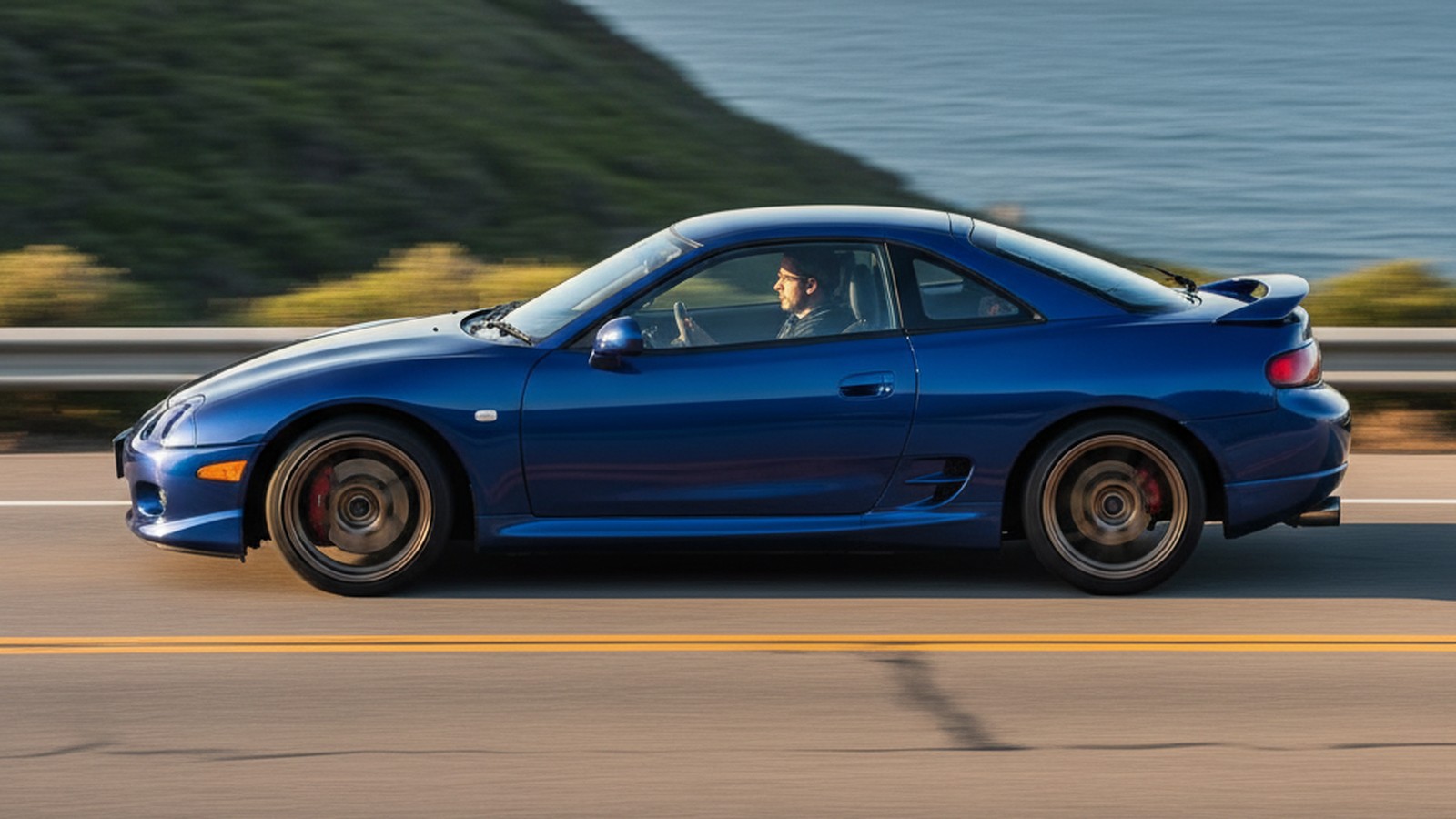
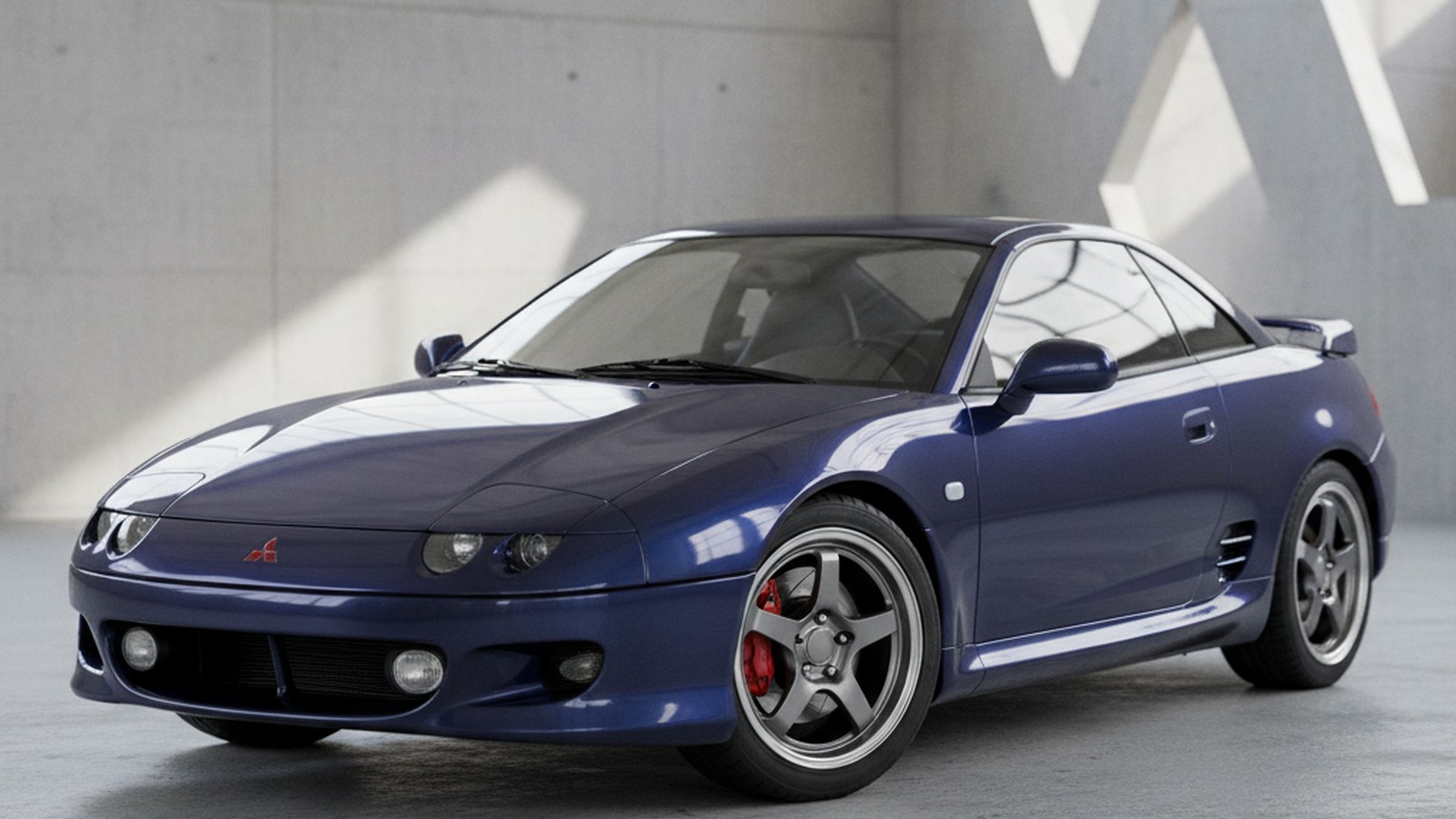
For most owners, the best aftermarket wheels for the Mitsubishi FTO are 17×7.5 or 17×8 with an offset around +35 to +42, using the factory 5×114.3 PCD and 67.1mm centre bore. That sizing suits the FTO’s compact front-wheel-drive chassis, clears the bodywork more easily than oversized setups, preserves steering feel, and gives far better tyre choice than the smaller factory wheel packages without pushing too far into rubbing or scrub-radius problems.
In This Guide
- About the Mitsubishi FTO Platform
- Mitsubishi FTO Fitment Specs
- Best Wheel Sizes
- Offset, Width and Clearance
- Tyre Pairing Guide
- Suspension and Lowering
- Brake Clearance and Hub Considerations
- Common Fitment Mistakes
- FAQ
- References
About the Mitsubishi FTO Platform
The Mitsubishi FTO sits in an interesting part of the coupe world. It is compact, relatively light, front-wheel drive, and built around a chassis that feels more agile than its age suggests. The car’s appeal has always been the combination of sharp styling, high-revving V6 engines in some variants, and a balanced footprint that responds well to sensible wheel and tyre upgrades. That last part matters, because the FTO rewards careful fitment far more than it rewards simply chasing the largest wheel that will physically bolt on.
Unlike heavier modern performance cars, the FTO does not need an oversized wheel to look right. Its proportions are tidy, the wheel arches are not huge, and the suspension geometry is happiest when the wheel stays within a fairly sensible range. That makes it a strong candidate for a clean, functional aftermarket setup: enough width to improve grip and stance, enough diameter to modernise the look and expand tyre choice, but not so much that the car loses the steering accuracy and liveliness that make it enjoyable in the first place.
Most FTOs were delivered on modest factory wheel sizes by current standards. Depending on model and trim, factory fitment was commonly 15-inch or 16-inch, with offsets that kept the wheel relatively tucked and conservative. That gives owners room to improve both appearance and tyre performance, but it also creates a trap. Moving from a narrow factory wheel to a much wider, lower-offset aftermarket wheel changes more than visual stance. It changes scrub radius, steering weight, bump-steer sensitivity, tramlining, and the amount of clearance available at both the strut and the outer guard.
Because the FTO is front-wheel drive, the front axle deserves the most respect. This is where drive, steering and most braking load all combine. A wheel that sits too far outward might look aggressive in photos, but it can also make the car feel nervous over rough surfaces or begin rubbing once the suspension compresses in a corner. A wheel that is too wide or too tall can make the car feel heavier and slower to respond. The best FTO fitment is not the wildest fitment. It is the one that keeps the car eager, composed and easy to place on the road.
If you want the technical foundation before choosing a setup, Kaizen’s guide to wheel offset, PCD and centre bore is worth reading first. Those three numbers decide whether a wheel merely bolts on or actually fits properly.
Mitsubishi FTO Fitment Specs
- Production years: 1994–2000
- Drive layout: Front-wheel drive
- PCD: 5×114.3
- Centre bore: 67.1mm
- Typical factory wheel sizes: 15×6 or 16×6 depending on variant
- Typical factory offset: around +46
- Common factory tyre sizes: 195/55R15 or 205/50R16 depending on wheel package
The constants to remember are straightforward: 5×114.3 PCD, 67.1mm centre bore, and a chassis that generally prefers moderate width and offset rather than extremes. The exact factory wheel package varies by trim and market history, but the underlying fitment logic stays the same across the model range.
That means two things. First, you have a healthy selection of aftermarket wheels available because 5×114.3 is a widely used stud pattern. Second, not every wheel that shares that pattern will suit the FTO well. Many wheels made for larger sedans or newer turbo cars come in widths and offsets that technically bolt on but place the wheel too far inward or outward for a compact 1990s coupe. You need to match the hardware to the car, not just to the bolt pattern.
Best Wheel Sizes
Best Daily Fitment
For a road-driven FTO, the best all-round answer is usually 17×7.5 +35 to +42 with a 215/40R17 tyre. This size modernises the car visually without overwhelming it, keeps overall diameter close to the factory rolling size, and offers a strong balance between steering response, ride quality and clearance. On a lightly lowered car, it remains one of the easiest combinations to live with.
A 17×7.5 wheel is a sweet spot because it gives the tyre enough support without making the front axle feel burdened. The FTO is not a large, high-powered coupe that needs a huge contact patch to function. It benefits more from a coherent package than from raw width. A good 215-section tyre on a sensible 17-inch wheel will usually feel sharper, more predictable and more usable than a fashionable but poorly matched 18-inch setup.
Best Street Performance Fitment
If the car sees more spirited driving, a 17×8 +35 to +40 with either a 215/40R17 or 225/40R17 tyre is often the strongest performance-oriented fitment. This gives a little more sidewall support and a slightly broader footprint without crossing into the kind of width that starts to dominate the chassis. It also suits owners who want a more planted visual stance while still preserving the car’s front-end accuracy.
The key point here is tyre behaviour. Different 225 tyres do not all measure the same in the real world. Some have a very square shoulder, some run narrow, and some sit taller than expected. On an FTO, that matters. A wheel and tyre package that looks fine when parked can become a rubbing issue on the front outer guard or plastic liner when the suspension is loaded. That is why 17×8 with a moderate offset is a more intelligent ceiling for most cars than jumping immediately to broader widths.
Best Show-Oriented Fitment
For owners who care more about appearance and arch fill, 18×7.5 or 18×8 can work, usually with an offset in the +35 to +42 range and tyres such as 215/35R18 or 225/35R18. Visually, 18s give the FTO a larger, cleaner wheel face and a more modern stance. They can look excellent on a well-kept car with the right ride height.
The trade-off is that 18s reduce tyre sidewall and leave less margin for error. The car becomes more sensitive to road imperfections, ride quality becomes firmer, and wheel damage from impacts becomes more likely. Larger diameter wheels also tend to be heavier unless you choose carefully. On a lightweight coupe, that extra rotational mass is noticeable. The car can lose some of the crisp, willing feel that makes it charming in the first place.
That is why 18-inch wheels should be seen as a style-led option on the FTO rather than the default best fitment. They can absolutely work, but they are less forgiving than a good 17-inch package.
Sizes to Approach Carefully
16-inch wheels still make sense if you want a subtle period-correct look or prioritise ride comfort, but tyre choice is not as broad as it once was. 18×8.5 and larger should be approached carefully. While some owners can make them work with the right tyre, alignment and body tolerance, that is moving beyond simple bolt-on fitment. Once you get to that point, you are building around compromises rather than upgrading the car cleanly.
Offset, Width and Clearance
Offset is the number that decides where the wheel sits relative to the hub. On the FTO, it matters just as much as diameter. Width tells you how broad the wheel is; offset tells you where that width goes. You can have two 17×8 wheels that fit completely differently depending on offset.
For most FTO builds, the usable aftermarket zone is roughly +35 to +42. That range usually pushes the wheel outward enough to improve stance compared with the tucked factory fitment, but not so far that the car becomes awkward on the road. It also helps maintain a safer balance between inner clearance to the suspension and outer clearance to the arch.
At the higher end of that range, such as +40 to +42, the fitment stays more conservative. This is ideal for daily driving, unknown tyre brands, or cars that retain near-standard ride height. At the lower end, such as +35 to +38, the wheel face sits more assertively and the car looks fuller through the guard. This can look great, but it reduces your clearance buffer. If the car is lowered, the tyre runs wide, or the front alignment is not carefully set, that lost buffer shows up quickly.
Going too low in offset on a front-wheel-drive chassis also changes the steering character. The wheel centre moves outward from where the suspension geometry was designed to work. That can increase steering kickback over bumps, make the car tramline more on uneven roads, and increase the sense that the front end is working harder than it should. Those effects are not always dramatic, but on a compact chassis like the FTO they are noticeable enough to matter.
If you need a deeper explanation of why wheel position matters so much, it helps to understand that the FTO is not a widebody coupe with huge suspension tolerance. It is a tidy, relatively compact car. The best setup normally sits just inside the point where fitment starts to become a constant project. That is why “flush but usable” is the correct target for most owners.
Tyre Pairing Guide
Choosing the right tyre matters at least as much as choosing the right wheel. The FTO benefits from a tyre that complements its front-drive balance instead of overwhelming it.
- 16×7: 205/45R16 or 205/50R16
- 17×7.5: 215/40R17
- 17×8: 215/40R17 or 225/40R17
- 18×7.5: 215/35R18
- 18×8: 225/35R18
215/40R17 is usually the best all-round tyre size for the FTO. It keeps the rolling diameter sensible, offers a decent sidewall for real roads, and works naturally on 7.5-inch or mild 8-inch widths. It also tends to preserve the car’s nimble character better than oversized tyre packages.
225/40R17 is a strong option if the car is set up well and you want a little more tyre support. It suits a 17×8 wheel best and can improve front-end bite when paired with a quality tyre. The catch is that some 225 tyres run wider than expected, so you need to factor in brand-specific measurements rather than relying only on the printed size.
For 18-inch wheels, 215/35R18 or 225/35R18 can work, but they are more vulnerable to harsh ride quality and impact damage. The lower sidewall also makes the wheel appear larger, which some owners want, but it gives you less flexibility when the car is lowered or used on poor surfaces.
The FTO almost always works best with a square setup, meaning the same wheel and tyre size at all four corners. There is little real-world benefit to a staggered setup on this platform, and it complicates rotation, balance and handling. Kaizen’s article on staggered wheel setups explains why wider rear wheels usually make more sense on rear-drive applications than they do on front-wheel-drive coupes like the FTO.
Suspension and Lowering
Lowering transforms how the FTO sits, but it also reduces your room for fitment mistakes. The moment ride height comes down, the wheel travels through a different part of the arch and the tyre’s relationship to both inner and outer clearance changes. A setup that is safe at standard height can become problematic on coilovers.
With a mild drop, a 17×7.5 or 17×8 setup in the recommended offset range is usually still straightforward. Once the car goes lower, especially at the front, tyre shoulder shape and alignment become much more important. Slightly increased negative camber can help the outer edge clear the arch, but it is not a magic solution. Too much camber will reduce braking stability and tyre life, and on a front-drive road car it can make the car feel more compromised than purposeful.
Coilovers are generally the cleanest suspension route if you want control over both ride height and damping. They also let you fine-tune the car so the wheel package works rather than just hoping it clears. Lowering springs can still work on the FTO, especially with conservative wheel sizes, but they leave less room to manage the details if the final ride height is more aggressive than expected.
The biggest mistake is treating wheel fitment and suspension as separate decisions. They are one decision. If you are lowering the car, choose the wheels with that future ride height in mind. If the car is already lowered, fit the wheels based on actual measured clearance rather than internet assumptions. The FTO is forgiving when the package is planned properly, but not when the build order is backwards.
Brake Clearance and Hub Considerations
On the FTO, bolt pattern alone does not guarantee fitment. You also need to think about centre bore, spoke profile and brake clearance.
The factory centre bore is 67.1mm. If the wheel bore is smaller than that, it will not fit over the hub. If it is larger, the wheel can still be used, but it should be centred properly with the correct hub-centric rings where appropriate. That helps avoid vibration and ensures the wheel sits accurately on the hub rather than relying purely on the studs to centre it.
Brake clearance is the other part owners sometimes underestimate. Even on cars with standard brakes, wheel spoke design matters. Two wheels with the same diameter and offset can have very different caliper clearance depending on how the spokes curve away from the hub and how the barrel is shaped. That becomes even more relevant if the car has upgraded front brakes or non-standard hardware.
This is one reason 17-inch wheels remain such a safe recommendation on the FTO. They generally offer far more breathing room around the brakes than smaller diameter wheels while still preserving sensible proportions. A 16 may fit on one wheel design and fail on another. A 17 reduces that uncertainty significantly.
Common Fitment Mistakes
Choosing Width Before Purpose
A lot of poor FTO setups start with someone deciding they want the widest wheel possible, then trying to reverse-engineer the rest around that choice. On this car, more width is not automatically better. A moderate, well-supported tyre on a sensible wheel almost always drives better than an over-wide setup squeezed into a small arch.
Ignoring Real Tyre Measurements
Tyre sizes on the sidewall are only part of the story. Actual section width, shoulder profile and tread shape vary by manufacturer. On a chassis with limited front-guard room, those differences matter. Always check the real measured width if you are pushing the fitment near the edge.
Going Too Low on Offset
An aggressive offset might create the look some people want, but it also increases the chance of rubbing and alters steering feel. The FTO usually looks and drives best when the wheel sits assertively without trying to sit impossibly far outside the bodyline.
Oversizing the Diameter
Bigger is not always better. An 18 can work, but once wheel weight climbs and sidewall shrinks, the FTO can start to lose the light, responsive character that makes it enjoyable. The car often looks cleaner on the right 17 than it does on an oversized 18 chosen purely for visual impact.
Forgetting the Centre Bore
PCD gets all the attention, but centre bore matters too. A wheel with the wrong bore can create fitment or vibration problems even when every other number appears correct.
Assuming All FTOs Are Identical
The underlying platform rules are consistent, but individual cars vary. Age, previous repairs, lowered suspension, aftermarket arms, tyre brand, rolled guards and brake upgrades all change the final answer. Use the common fitment ranges as a starting point, not a substitute for checking the actual car in front of you.
FAQ
What is the factory bolt pattern for the Mitsubishi FTO?
The Mitsubishi FTO uses a 5×114.3 bolt pattern. That gives you plenty of aftermarket wheel choice, but you still need the right offset and centre bore for a proper fit.
What is the centre bore on a Mitsubishi FTO?
The factory centre bore is 67.1mm. Wheels with a larger bore can be used with the correct hub-centric rings. Wheels with a smaller bore will not fit over the hub.
What is the best wheel size for a Mitsubishi FTO?
For most owners, 17×7.5 is the best all-round wheel size. It gives the car a more modern look, broad tyre choice and good handling balance without introducing the compromises that often come with oversized setups.
Can I run 17×8 wheels on an FTO?
Yes, 17×8 is a common upper-end street fitment when paired with a sensible offset such as +35 to +40 and the right tyre. It works best when the suspension and alignment are in good order.
Will 18-inch wheels fit a Mitsubishi FTO?
Yes, 18-inch wheels can fit, usually in 18×7.5 or 18×8 form. They are more style-focused than performance-focused on this platform and require more care with tyre size, wheel weight and ride quality expectations.
What tyre size works best with 17-inch wheels on an FTO?
215/40R17 is usually the safest and most balanced choice. 225/40R17 can also work on 17×8 wheels if the tyre model is not excessively wide and the car has enough clearance.
Does the Mitsubishi FTO suit a staggered wheel setup?
In most cases, no. The FTO is front-wheel drive and generally works best with the same wheel and tyre size at all four corners. A square setup is simpler, easier to rotate and better aligned with how the chassis behaves.
What offset should I look for on aftermarket wheels for an FTO?
A practical target is usually +35 to +42 depending on wheel width, tyre choice and ride height. That range gives a good blend of inner clearance, outer clearance and usable stance.
Do I need hub rings for aftermarket wheels on an FTO?
If the wheel’s centre bore is larger than 67.1mm, hub-centric rings are a good idea to ensure the wheel is centred properly on the hub. They help reduce the chance of vibration.
Will lowering my FTO change what wheel size I can run?
Yes. Lowering reduces clearance and makes tyre shape, offset and alignment more critical. A setup that clears at standard height may rub once the car is lowered, especially at the front.
References
- Mitsubishi FTO factory specifications and period brochure data
- Mitsubishi FTO owner and enthusiast fitment documentation
- Wheel-size and tyre-size cross-reference data for Mitsubishi FTO applications
- Wheel Offset, PCD and Centre Bore Explained: How to Get Perfect Fitment
- Staggered Wheel Setup Explained: Why Your Rear Wheels Should Be Wider
PHP: 2026-04-20 00:48:09 [notice X 0][/home/mensring/kaizenwheels.com.au/wp-content/plugins/elementor-pro/modules/forms/submissions/actions/save-to-database.php::193] {closure:ElementorProModulesFormsSubmissionsActionsSave_To_Database::__construct():193}(): Implicitly marking parameter $exception as nullable is deprecated, the explicit nullable type must be used instead [array (
‘trace’ => ‘
#0: ElementorCoreLoggerManager -> shutdown()
‘,
)]
PHP: 2026-04-20 00:48:12 [notice X 0][/home/mensring/kaizenwheels.com.au/wp-content/plugins/elementor-pro/modules/forms/submissions/actions/save-to-database.php::193] {closure:ElementorProModulesFormsSubmissionsActionsSave_To_Database::__construct():193}(): Implicitly marking parameter $exception as nullable is deprecated, the explicit nullable type must be used instead [array (
‘trace’ => ‘
#0: ElementorCoreLoggerManager -> shutdown()
‘,
)]

