
Best Aftermarket Wheels for Renault Megane RS: Fitment Guide
Best Aftermarket Wheels for Renault Megane RS: Fitment Guide
The Renault Megane RS has always been a front-wheel-drive performance car with a very specific personality. It is fast, sharp, unusually sensitive to setup changes, and far more dependent on wheel and tyre choice than many owners expect. Get the fitment right and the car feels alert, planted, and precise. Get it wrong and you can dull steering feel, create rubbing, upset ride quality, and add torque steer to a chassis that was engineered to work within a fairly narrow window.

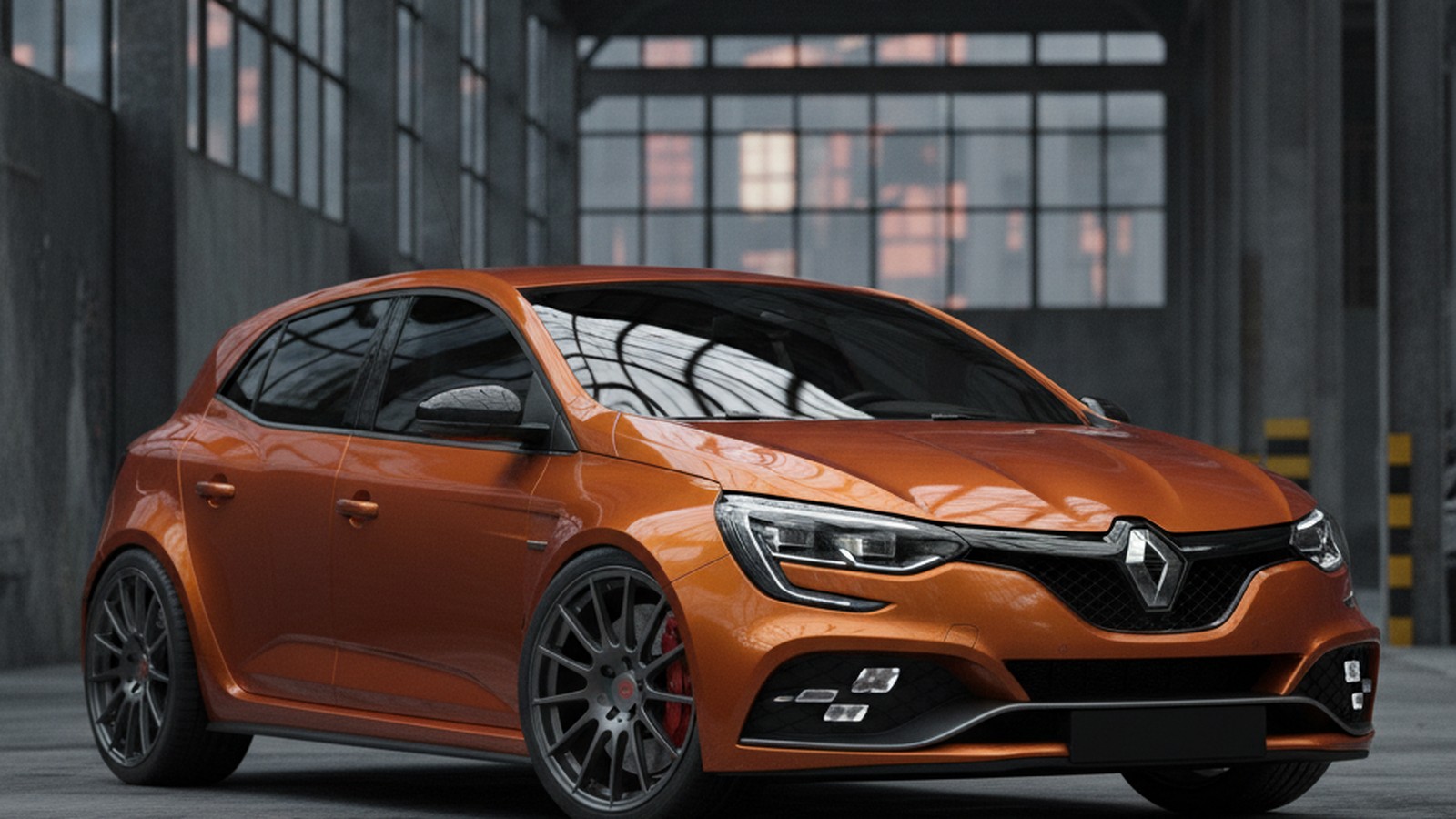
This guide breaks down Renault Megane RS wheel fitment in practical terms. It covers the platform differences between generations, common factory sizing, safe aftermarket diameter and width ranges, realistic offset windows, tyre pairing, suspension considerations, and the mistakes that most often cause trouble. The goal is not to push a style or a brand. It is to help you choose a wheel setup that actually works.
TL;DR
- Most Megane RS models use a 5×114.3 PCD and a centre bore around 66.1 mm, but you should always confirm your exact generation and hub before ordering.
- Factory diameters are commonly 18-inch or 19-inch, with 19s usually prioritising appearance and turn-in, while 18s typically give the best balance of ride, tyre choice, and pothole tolerance.
- A practical aftermarket sweet spot for many Megane RS applications is 18×8.5 with a conservative offset, paired with 235/40R18 or a closely matched size depending on the generation.
- More aggressive widths and lower offsets can work, but inner strut clearance, outer guard clearance, and tyre shoulder shape matter more than wheel width alone.
- Do not assume all 8.5-inch wheels fit the same. Offset, spoke design, brake clearance, and tyre construction can completely change the result.
- If the car sees regular rough-road driving or track use, lighter wheels with sensible sidewall height usually outperform oversized, heavy options.
Table of Contents
- Platform Overview
- Wheel Specs by Generation
- Best Aftermarket Wheel Sizes
- Stance and Flush Fitment Options
- Suspension and Clearance Considerations
- Wheel Construction and Why It Matters
- Tyre Pairing for Street and Performance Use
- Common Fitment Mistakes
- Legal and Compliance Considerations
- FAQ
- References
Platform Overview
The Megane RS is not a generic hot hatch when it comes to wheels. Renault Sport tuned these cars around strong front-end response, fast direction changes, and a chassis that relies heavily on tyre support and scrub characteristics. That means wheel changes have a bigger effect than they might on a softer or less focused platform.
Across the main Megane RS generations, you will see recurring themes:
- Fairly large factory brake packages that limit spoke and barrel design choices.
- Relatively assertive factory fitment, especially on later cars with 19-inch wheels.
- Front-wheel-drive geometry that is sensitive to offset changes.
- Suspension packages that can vary significantly between standard, Cup, Trophy, and special editions.
That last point matters. Two Megane RS cars that look similar can need different wheel solutions because brake size, ride height, alignment, and tyre width are not always identical. This is why a fitment guide should be treated as a starting framework, not a substitute for verifying your exact vehicle.
If you are new to the basics of offset, PCD, and centre bore, it helps to read a broader explainer before locking in a setup. A good starting point is what wheel offset means and how it affects fitment. If you are comparing diameter and sidewall trade-offs, this guide to 18-inch vs 19-inch wheels is also useful context.
Wheel Specs by Generation
Renault Megane RS fitment is usually discussed in three broad eras: the Megane II RS, Megane III RS, and Megane IV RS. Factory wheel designs and exact trims vary, but the following summary captures the fitment foundations most owners need to know.
Megane II RS
The second-generation Megane RS established the formula: compact dimensions, sharp front-end grip, and a chassis that rewarded a disciplined setup. Factory wheels were typically performance-oriented rather than oversized, which means these cars usually respond well to carefully selected 18-inch aftermarket wheels.
- Typical factory diameter: 18-inch
- Typical width range: 7.5 to 8 inches
- PCD: 5×114.3
- Common centre bore reference: 66.1 mm
Because these cars are older, you also need to think about suspension wear, sagging bushes, and whether the car is still sitting at true factory height. A setup that clears on a fresh standard suspension car may not behave the same on one with tired mounts or aftermarket springs.
Megane III RS
The third-generation Megane RS is often the benchmark car in the range for pure front-wheel-drive engagement. It commonly came with 18-inch or 19-inch factory wheels depending on trim and market specification. This generation also has strong aftermarket support and plenty of proven fitment examples, which makes it easier to find workable combinations.
- Typical factory diameters: 18-inch and 19-inch
- Typical widths: 8 to 8.25 inches
- PCD: 5×114.3
- Common centre bore reference: 66.1 mm
This is the generation where owners often try to push width and stance more aggressively. It can be done, but brake clearance and front outer-guard clearance become important quickly, especially on lowered cars.
Megane IV RS
The fourth-generation Megane RS moved into a more modern performance hatch space, with larger bodywork, more technology, and in some variants a stronger visual bias toward 19-inch wheels. It still rewards sensible wheel choices. In many cases, an 18-inch setup remains the most rational option for mixed road use, provided brake clearance is confirmed.
- Typical factory diameters: 18-inch and 19-inch
- Typical widths: 8 to 8.5 inches
- PCD: 5×114.3
- Common centre bore reference: 66.1 mm
On these cars, brake package differences can be significant. Never assume that because one 18-inch wheel fits over one Megane IV RS brake setup, every 18-inch wheel will fit over every version. Barrel profile and spoke shape are just as important as nominal diameter.
Always verify before ordering
Even though the Megane RS range is relatively consistent on paper, you should still confirm:
- PCD
- centre bore
- factory wheel width and offset
- front brake dimensions
- whether your car is on standard, Cup, Trophy, or modified suspension
That verification matters more than internet hearsay. Renault Sport cars punish sloppy assumptions.
Best Aftermarket Wheel Sizes
There is no single best wheel size for every Megane RS. The right answer depends on whether you care most about road comfort, steering sharpness, lap consistency, visual stance, or protecting the car from rough roads. Still, there are a few size patterns that make sense more often than not.
18×8 as a conservative performance option
An 18×8 wheel is a clean, conservative fitment choice on many Megane RS applications. It tends to preserve predictable steering, works well with tyre sizes in the 225 to 235 range, and usually keeps both inner and outer clearance headaches to a minimum when paired with a sensible offset.
This size is a strong option if you want:
- easy daily drivability
- less chance of rubbing
- a broader tyre comfort window
- lower risk when the car is lightly lowered
18×8.5 as the sweet spot
For many owners, 18×8.5 is the sweet spot. It offers enough width to support modern performance tyres properly without forcing the car into an overbuilt stance setup. With the right offset, it gives a purposeful fit without overwhelming the chassis.
Why 18×8.5 works so well:
- It suits 235-section tyres very naturally.
- It keeps more sidewall than a 19-inch alternative.
- It often reduces wheel weight compared with larger factory options.
- It gives a more forgiving ride without making the car feel vague.
For hard road driving and occasional circuit use, this is often the most balanced starting point.
19×8.5 for OEM-plus feel and appearance
If your car came with 19s and you want to retain the same overall look and response, a 19×8.5 wheel can be appropriate. This usually keeps the visual proportion that later Megane RS models are known for, and it can preserve that crisp initial turn-in that some drivers prefer.
The compromise is predictable:
- less tyre sidewall
- firmer impact response
- higher pothole vulnerability
- often a heavier complete wheel-and-tyre package
For a car used mainly on smoother roads, this trade-off may be acceptable. For rougher road use or consistent track work, 18-inch setups usually make more sense.
Can you run 9-inch wide wheels?
Yes, in some cases, but that does not automatically mean you should. A 9-inch wheel on a Megane RS generally requires much more care around offset, tyre shoulder profile, and suspension clearance. On a lowered car, the margin becomes smaller again.
When people chase 9-inch widths, they are usually after one of two outcomes:
- a more aggressive flush stance
- extra tyre support for harder performance driving
Both are valid goals, but the fitment window becomes less forgiving. If the car is primarily a road car, 8.5 inches is usually the smarter choice.
Recommended tyre ranges by wheel width
- 8.0-inch wheel: typically works well with 225 or 235 section tyres
- 8.5-inch wheel: usually best with 235, and sometimes 245 depending on generation and clearance
- 9.0-inch wheel: commonly paired with 245, though not always necessary on this platform
As always, tyre model matters. One brand’s 235 can measure more like another brand’s 245.
Stance and Flush Fitment Options
The Megane RS looks good with a slightly fuller track and a cleaner wheel-to-guard relationship, but this is where many builds go off course. The car’s front end needs room to work. If you chase flush fitment too aggressively by pushing the wheel outward with low offsets or spacers, you can end up with heavier steering, more tramlining, and rubbing under compression.
OEM-plus stance
This is the safest visual approach. The wheel sits a little prouder than stock, but still tucks within the bodyline under normal suspension travel. You keep the car’s engineering character and avoid most clearance issues.
Best for:
- daily-driven cars
- mixed road conditions
- owners who want a cleaner look without fitment drama
Flush fitment
A flush setup brings the outer face closer to the guard edge. Done properly, it can suit the Megane RS very well. Done badly, it creates an illusion of stance while harming function. Flush fitment on this platform works best when achieved through a balanced combination of width and offset rather than just spacing the wheels outward.
Aggressive stance
This usually means wider wheels, lower offsets, more negative camber, and often a lowered ride height. It can look strong, but it asks much more from the chassis package. Expect to think carefully about:
- front fender clearance
- rear compression clearance
- tyre shoulder shape
- alignment settings
- whether full steering lock still works cleanly
For a Megane RS that is driven hard, aggressive stance should never come ahead of tyre function and suspension travel.
Suspension and Clearance Considerations
Suspension changes are where wheel fitment theory meets reality. A wheel that clears perfectly on stock suspension can rub the moment you lower the car or switch to a tyre with a squarer sidewall. That is why suspension and wheel choice should be planned together.
Lowering springs
Many Megane RS owners fit lowering springs first and wheels second. That is fine, but it narrows your safe fitment margin. Lowering reduces bump travel and often increases the likelihood of outer-guard contact at the front. If you are already lowered, stay conservative with offset and tyre width unless you are prepared to tune alignment around the setup.
Coilovers
Coilovers can either help or complicate fitment. On one hand, they often let you tune ride height and camber more precisely. On the other, some coilover bodies sit differently relative to the inner barrel, which can reduce strut-side clearance. Never assume that because a wheel clears the factory strut, it will clear every aftermarket suspension package.
Camber and alignment
Camber is one of the most useful tools for making a performance fitment work, especially at the front. A little extra negative camber can improve outer clearance and sharpen front-end response. Too much for road use, though, can accelerate inner-edge tyre wear and make the car feel less stable in straight-line driving.
Alignment should not be treated as the final bandage for a bad fitment choice. It should refine a sensible fitment, not rescue a reckless one.
Brake clearance
Brake clearance is a separate issue from suspension clearance. A wheel might clear the guard and strut but still hit the caliper. The two critical dimensions are:
- the inner barrel profile
- the spoke face clearance over the caliper
This is why brake templates and test fitting are so important, especially when stepping down to 18-inch wheels on cars delivered with larger factory packages.
Wheel Construction and Why It Matters
Not all aftermarket wheels are created equal. On a Megane RS, construction quality matters because unsprung mass and impact resistance both influence how the car feels. Lightweight wheels can improve response, but they still need enough strength for real-world driving.
Cast wheels
Good cast wheels can work perfectly well on a road-driven Megane RS. They are usually more affordable and widely available. The downside is that cheaper cast wheels often carry extra weight, which can blunt steering sharpness and ride quality.
Flow formed wheels
Flow formed wheels are often the sweet spot for a performance hatch. They are typically lighter and stronger than basic cast designs without moving into the cost range of premium forged wheels. For a Megane RS used enthusiastically, this construction type makes a lot of sense.
Forged wheels
Forged wheels offer the highest potential for low weight and high strength, but the main point is not prestige. The point is reducing mass while keeping structural integrity. If your priorities are track performance, steering response, and minimising weight, forged wheels can be worthwhile. For many road cars, though, quality flow formed wheels already deliver most of the benefit.
Whatever the construction, focus on weight, load rating, brake clearance, and proven fitment. Style should come after that.
Tyre Pairing for Street and Performance Use
The tyre is half the fitment equation. On a Megane RS, it may be more than half. The best wheel choice in the world can feel wrong if the tyre profile, compound, or shoulder design is mismatched to the chassis.
Street-focused tyre pairing
For everyday road use, you usually want a tyre that preserves steering precision without making the car feel brittle. A 235-width tyre is often an excellent middle ground on an 8.5-inch wheel. It gives good support and grip without introducing unnecessary bulk.
Look for:
- predictable wet-weather behaviour
- strong sidewall support
- progressive breakaway
- reasonable ride compliance
Fast-road and occasional track pairing
If the car sees hard mountain-road driving or occasional circuit work, a more performance-oriented tyre with a stiffer sidewall can sharpen the car noticeably. This is where wheel weight becomes even more important. A lighter 18-inch setup with a quality 235 or 245 performance tyre is often a better driver’s package than a heavier 19-inch combination.
Tyre diameter matters
Try to keep the rolling diameter close to factory specification. Going too tall can create guard issues and blunt acceleration. Going too short can affect speedometer accuracy, gearing feel, and how the car sits visually in the guards.
Stretch vs square sidewall
A mild stretch may clear more easily, but the Megane RS generally rewards proper tyre support rather than stretched aesthetics. A tyre that sits squarely on the wheel usually gives better steering fidelity and more predictable grip. That is especially true for a chassis with serious front-end intent.
Common Fitment Mistakes
- Choosing wheels by diameter alone: An 18-inch wheel is not automatically safe. Barrel design and spoke clearance still matter.
- Ignoring offset sensitivity: Pushing the wheel too far outward can affect steering behaviour and rubbing.
- Using tyre width as a status symbol: More width is not always more grip if the wheel, alignment, and compound are wrong.
- Overlooking suspension changes: Lowered cars need more careful fitment planning.
- Assuming all 235 tyres measure the same: Actual section width varies by model and manufacturer.
- Buying purely for face design: A wheel can have the right specs on paper and still fail on caliper clearance.
- Forgetting hub-centric fitment: Correct centre bore and quality hub rings matter for vibration-free installation.
- Using large spacers as a shortcut: Sometimes they help, but they should not be the foundation of the fitment plan.
Legal and Compliance Considerations
Wheel fitment legality varies depending on where the car is registered and used, so the principle here is simple: confirm the rules that apply to your vehicle before finalising the setup. Even when a wheel physically fits, it may not be compliant if it exceeds permitted track increase, tyre protrusion, load rating, or rolling diameter limits.
At a minimum, check the following before purchasing:
- wheel load rating
- tyre load and speed rating
- whether the tyre sits inside the bodywork
- diameter change relative to factory specification
- clearance at full lock and full compression
It is also worth remembering that legality and drivability are not the same thing. A setup can be technically legal and still unpleasant on the road. The best Megane RS fitments respect both the regulations and the chassis.
Frequently Asked Questions
What bolt pattern does the Renault Megane RS use?
Most Renault Megane RS models use a 5×114.3 bolt pattern. Even so, confirm your exact generation and trim before ordering because fitment assumptions are expensive to get wrong.
What is the best wheel size for a daily-driven Megane RS?
For many owners, 18×8.5 is the best all-round choice. It balances steering response, tyre support, ride quality, and road durability better than more extreme alternatives.
Are 19-inch wheels too big for a Megane RS?
Not necessarily. Many cars came factory-equipped with 19s. The real question is whether you value appearance and sharp initial response more than ride comfort, tyre sidewall, and wheel weight.
Can I fit 245 tyres on a Renault Megane RS?
Sometimes, yes. It depends on wheel width, offset, tyre model, suspension height, and alignment. A 245 can work on some setups, but it is not automatically better than a well-chosen 235.
Will lower offset improve the stance?
It can improve the visual stance, but only up to a point. Too little offset can push the wheel too far outward, creating rubbing, tramlining, and changes in steering feel that do not suit the chassis.
Do I need hub rings for aftermarket wheels?
If the wheel centre bore is larger than the vehicle hub, yes. Quality hub-centric rings help ensure the wheel seats correctly and can reduce the risk of vibration.
Can I downsize from 19-inch to 18-inch wheels?
Often yes, and it is a popular move for performance driving and rougher roads. The key issue is brake clearance. Not every 18-inch wheel will clear every Megane RS caliper.
Is wider always better for grip on the Megane RS?
No. Grip comes from the whole system: tyre compound, temperature window, alignment, wheel support, and suspension behaviour. Excess width can hurt as easily as it helps.
Are spacers safe on the Megane RS?
Small, high-quality spacers used correctly can be safe, but they should not be used to force a poor wheel choice to work. It is usually better to select the correct wheel specs from the start.
What matters more: wheel weight or wheel width?
Both matter, but on a Megane RS, excessive wheel weight can noticeably affect response and ride. A slightly narrower, lighter wheel often feels better than a wider, heavier one.
References
- Renault Megane RS owner manuals and factory wheel references by generation
- Tyre manufacturer specification data for approved rim-width ranges and measured section widths
- Wheel manufacturer brake-clearance templates and load-rating documentation
- Kaizen Wheels guide: What is wheel offset?
- Kaizen Wheels guide: 18-inch vs 19-inch wheels
PHP: 2026-04-20 00:48:53 [notice X 0][/home/mensring/kaizenwheels.com.au/wp-content/plugins/elementor-pro/modules/forms/submissions/actions/save-to-database.php::193] {closure:ElementorProModulesFormsSubmissionsActionsSave_To_Database::__construct():193}(): Implicitly marking parameter $exception as nullable is deprecated, the explicit nullable type must be used instead [array (
‘trace’ => ‘
#0: ElementorCoreLoggerManager -> shutdown()
‘,
)]
PHP: 2026-04-20 00:48:57 [notice X 0][/home/mensring/kaizenwheels.com.au/wp-content/plugins/elementor-pro/modules/forms/submissions/actions/save-to-database.php::193] {closure:ElementorProModulesFormsSubmissionsActionsSave_To_Database::__construct():193}(): Implicitly marking parameter $exception as nullable is deprecated, the explicit nullable type must be used instead [array (
‘trace’ => ‘
#0: ElementorCoreLoggerManager -> shutdown()
‘,
)]


